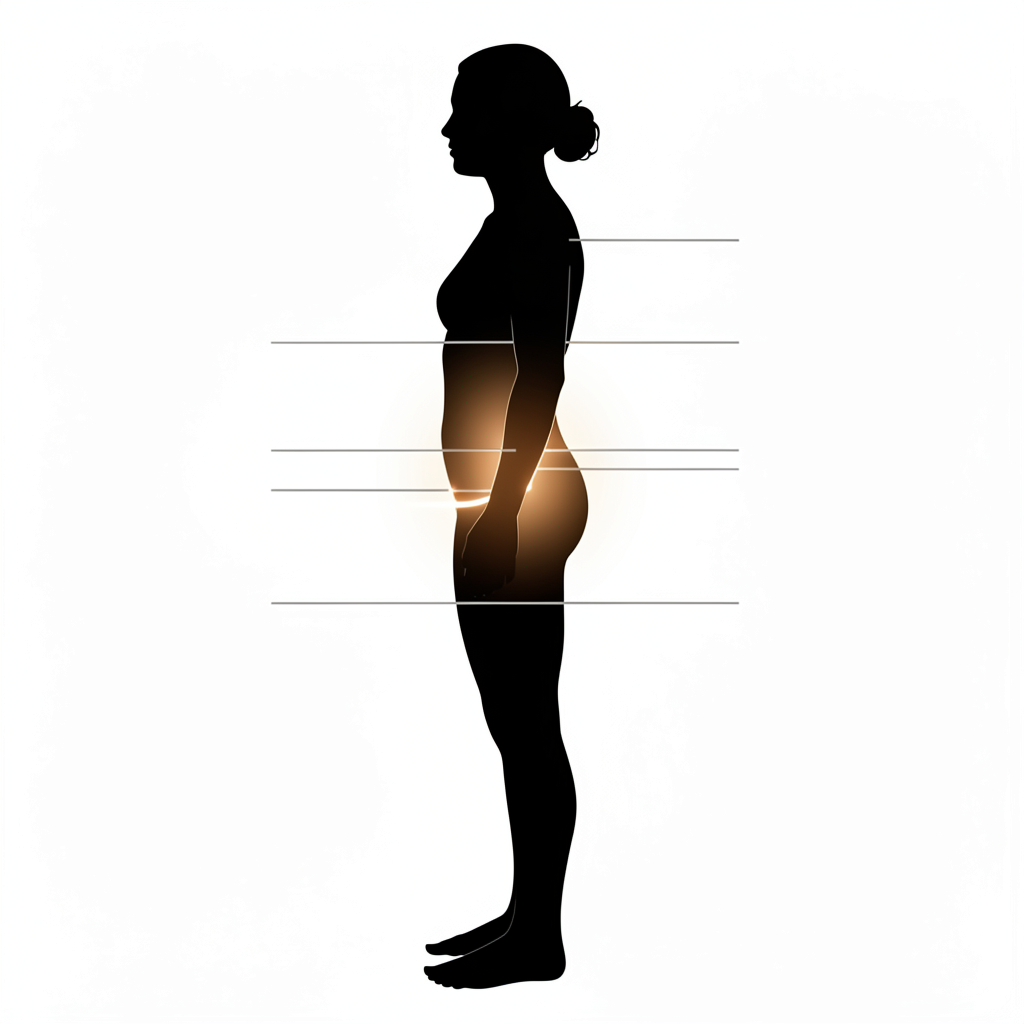
Spine-Neutral Standing
Find and hold your pain-free neutral spine position. Rock your pelvis forward and back to discover the posture where pain disappears.
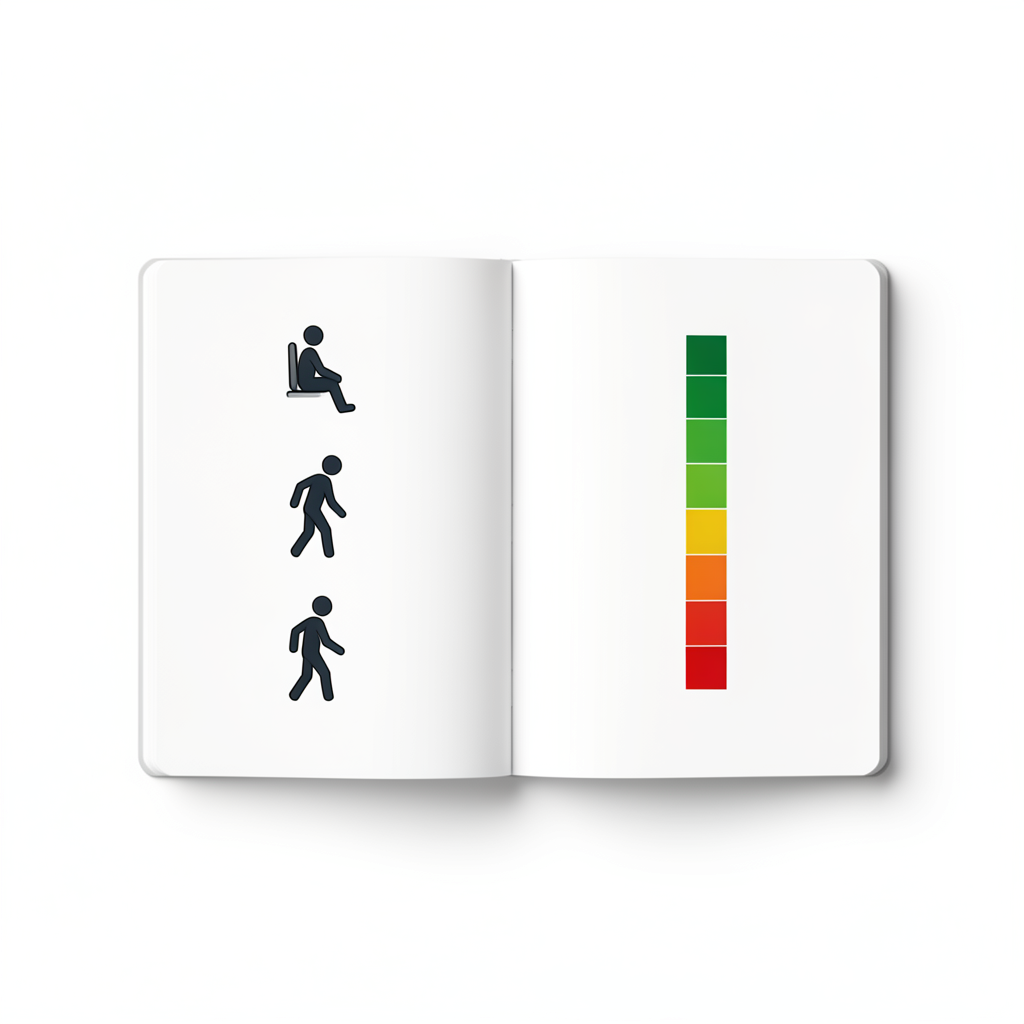
Pain Trigger Journal
Log activities and positions that provoke or relieve your symptoms to identify patterns over 3-5 days.
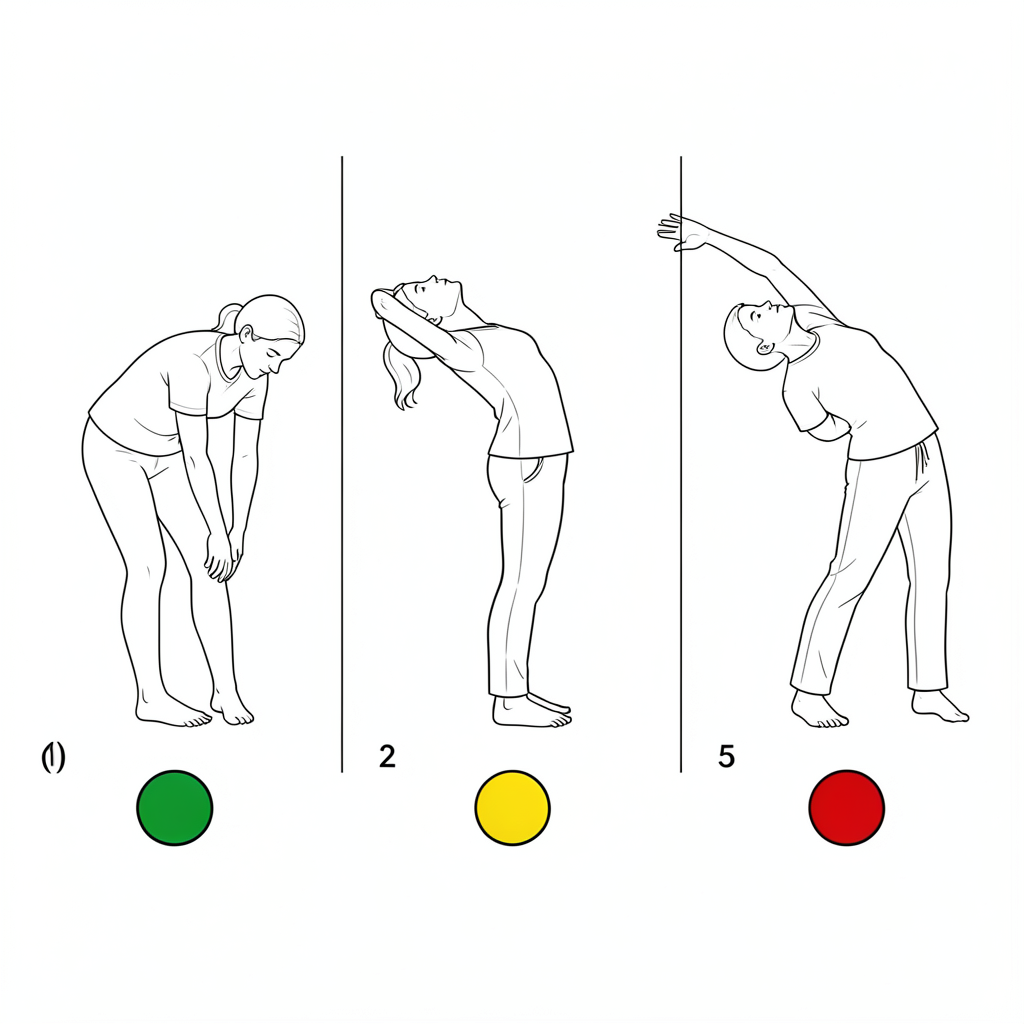
Provocative Movement Test
Systematically test flexion, extension, and lateral movements to identify your specific intolerance direction.
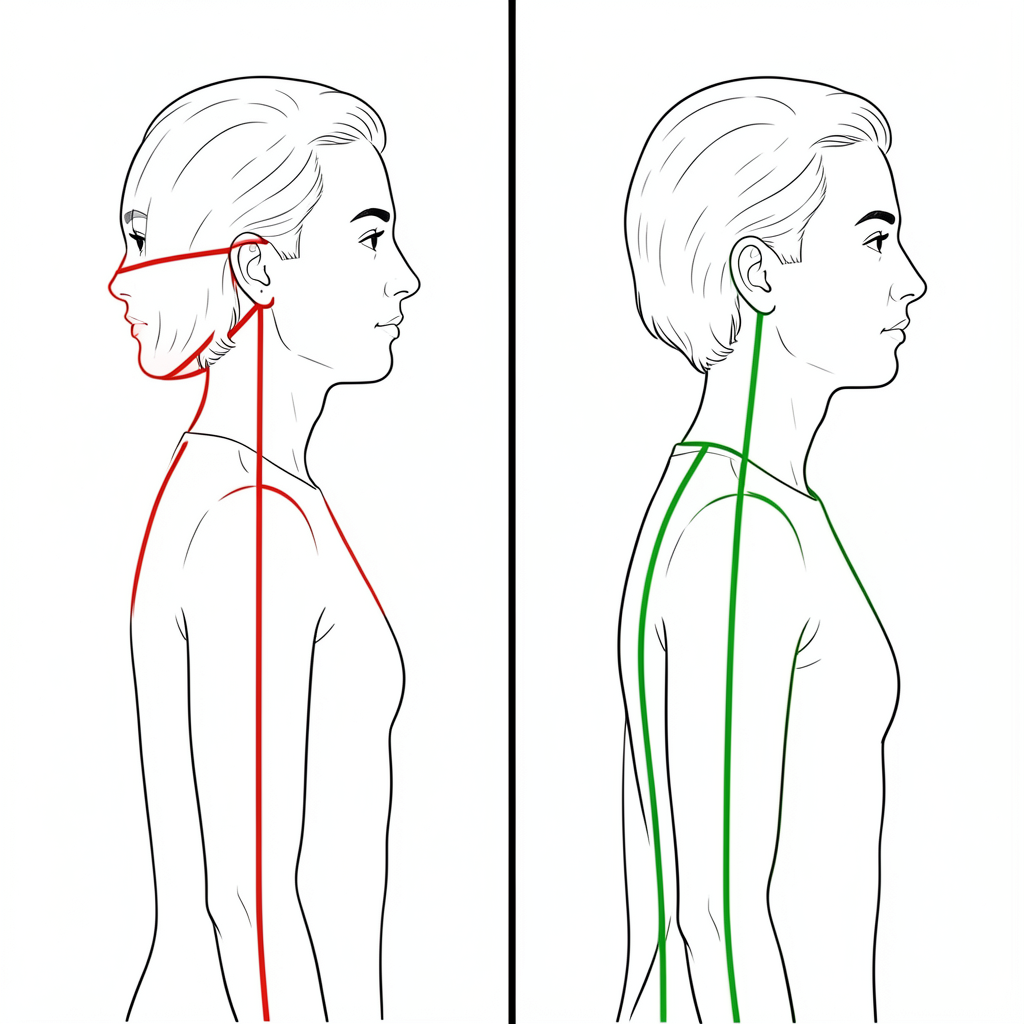
Posture Audit
Photograph yourself from the side in your natural standing and sitting positions to identify postural deviations loading your spine.
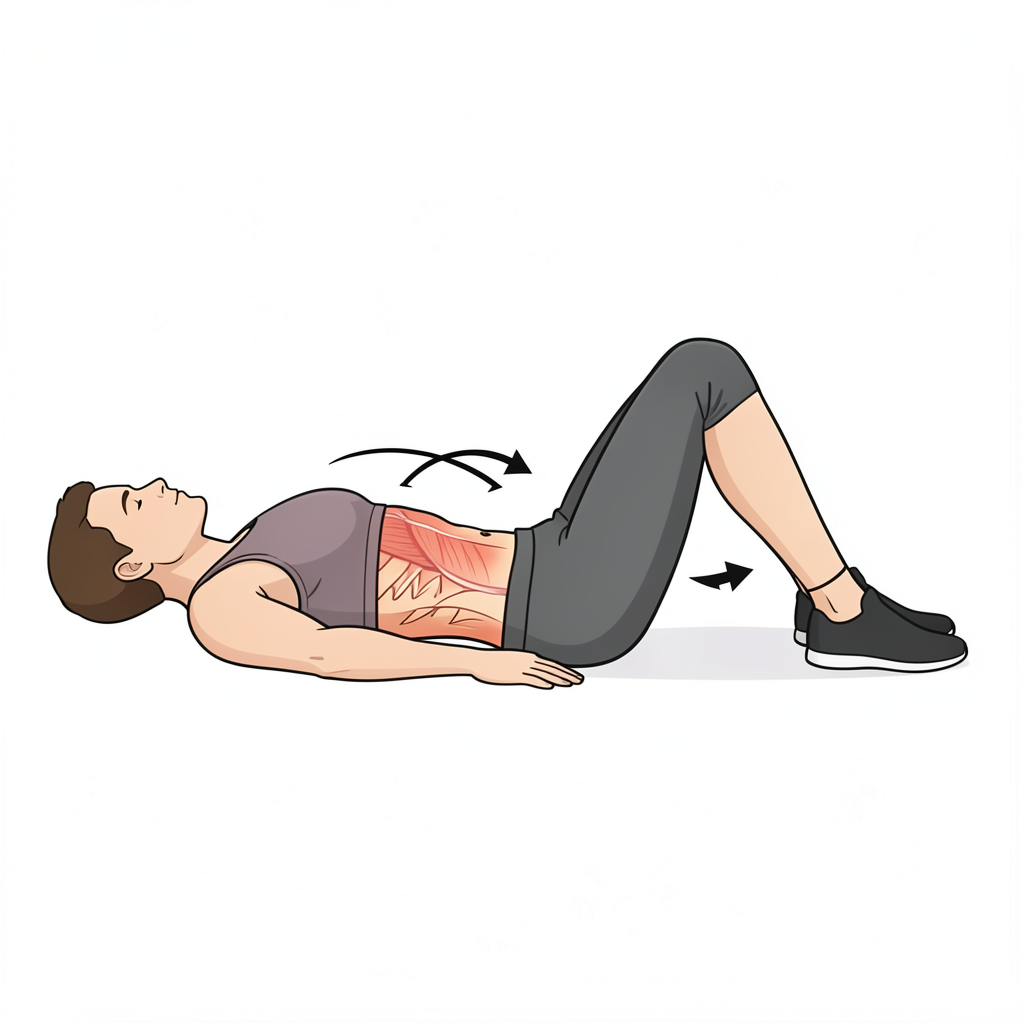
McGill Curl-UpTimed
Build anterior core endurance without flexing the lumbar spine. One leg bent, hands under lower back, lift only head and shoulders.
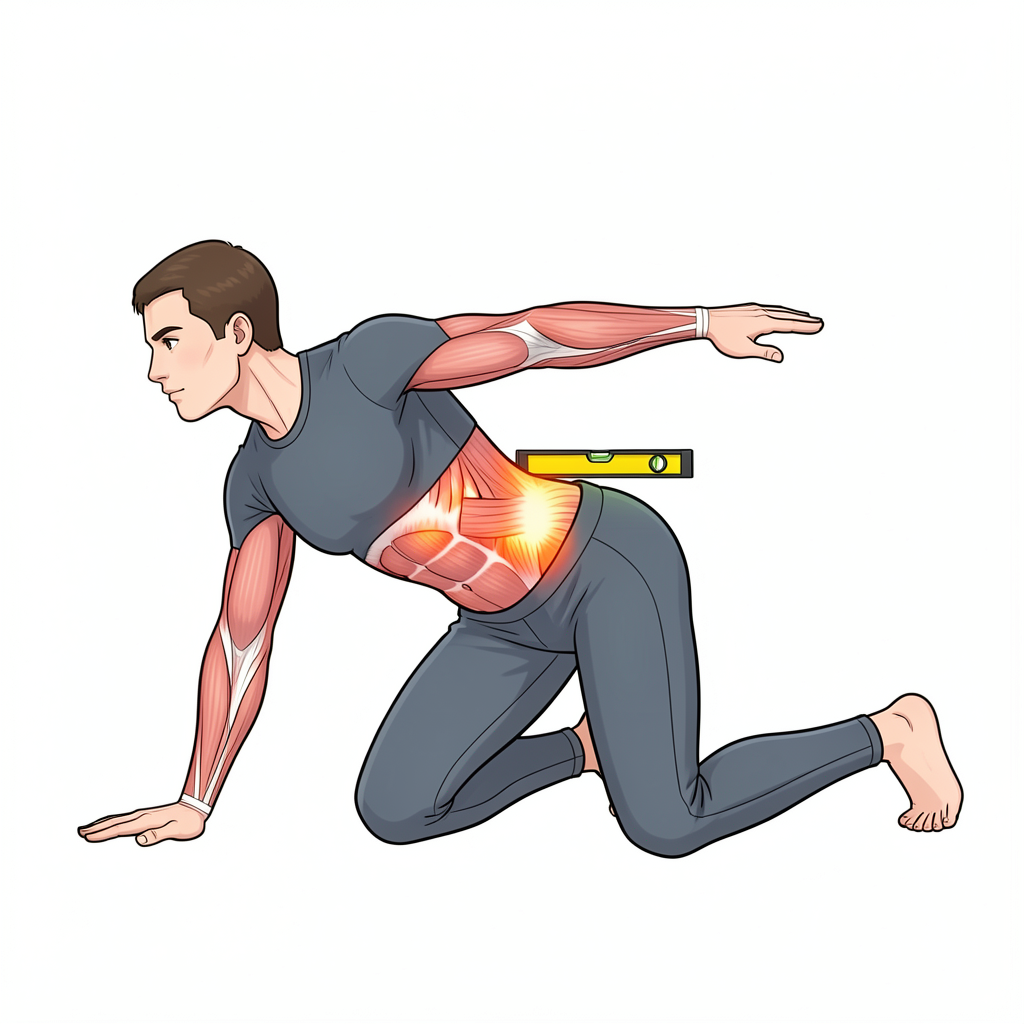
Bird DogTimed
Train rotational stability and coordination while maintaining a neutral spine. Extend opposite arm and leg without letting the hips rotate.
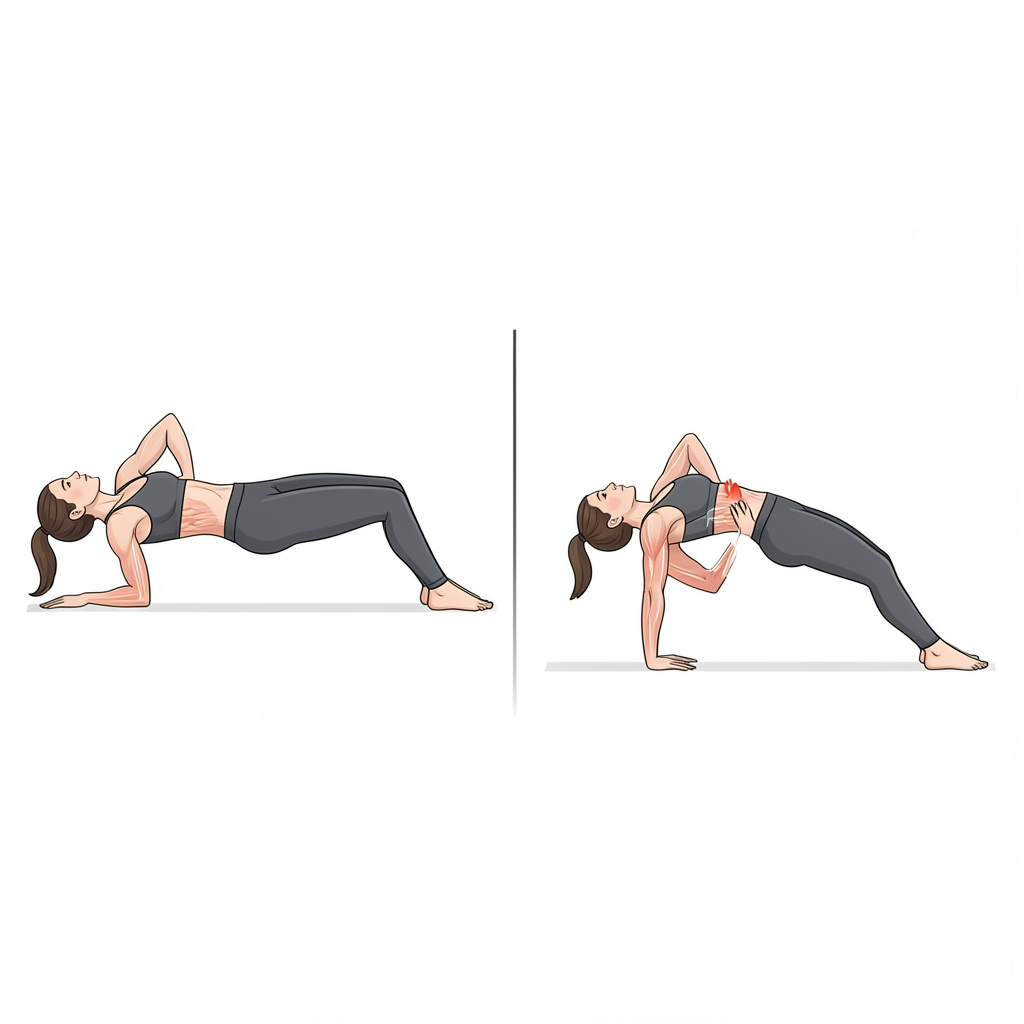
Side BridgeTimed
Develop lateral core endurance essential for spine stability. Progress from knees to feet as endurance builds.
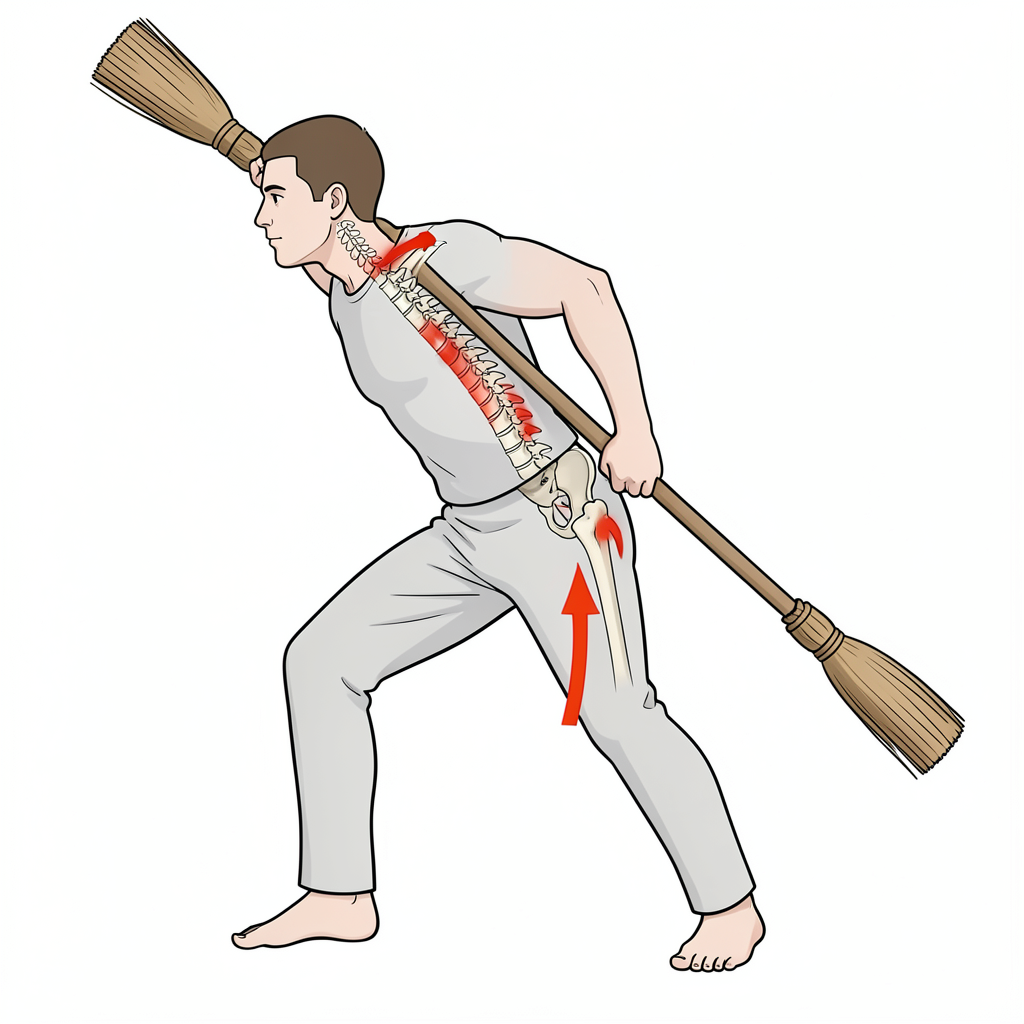
Hip Hinge Pattern
Replace spine bending with hip hinging for all forward-reaching movements. Use a dowel along your back to maintain three contact points.
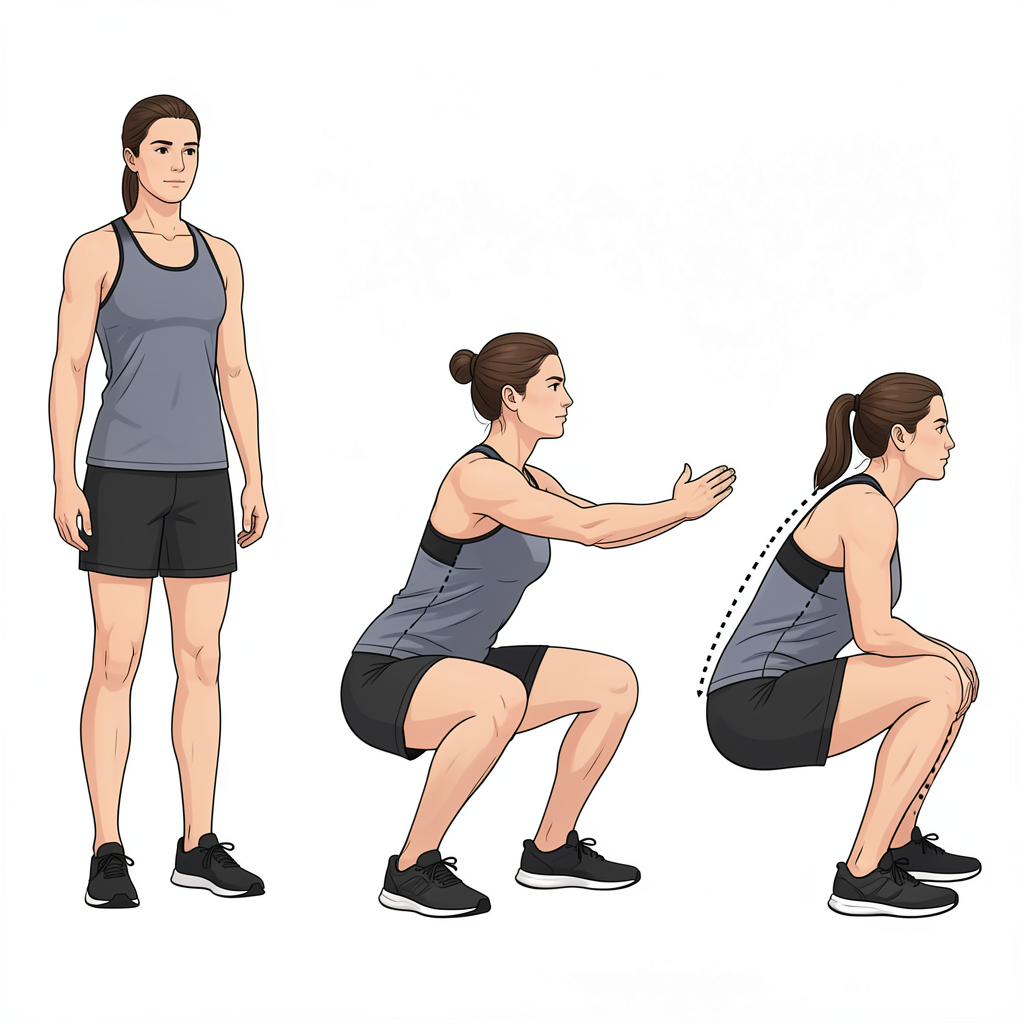
Shortstop Squat
A spine-sparing squat pattern that maintains neutral spine while building lower body strength through full hip range.
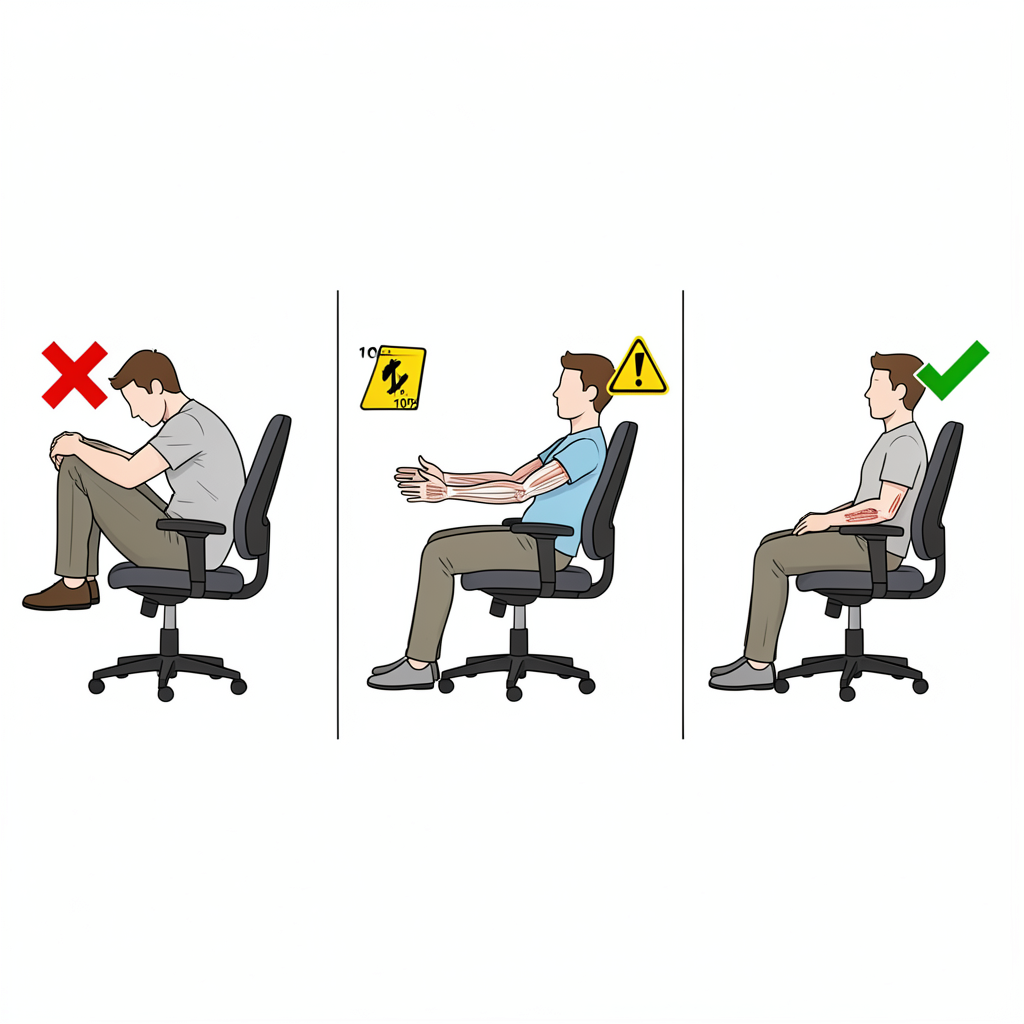
Sitting Posture Reset
The slouch-overcorrect method: deliberately round your back fully, then arch into full extension, then back off 10% to find your supported neutral.
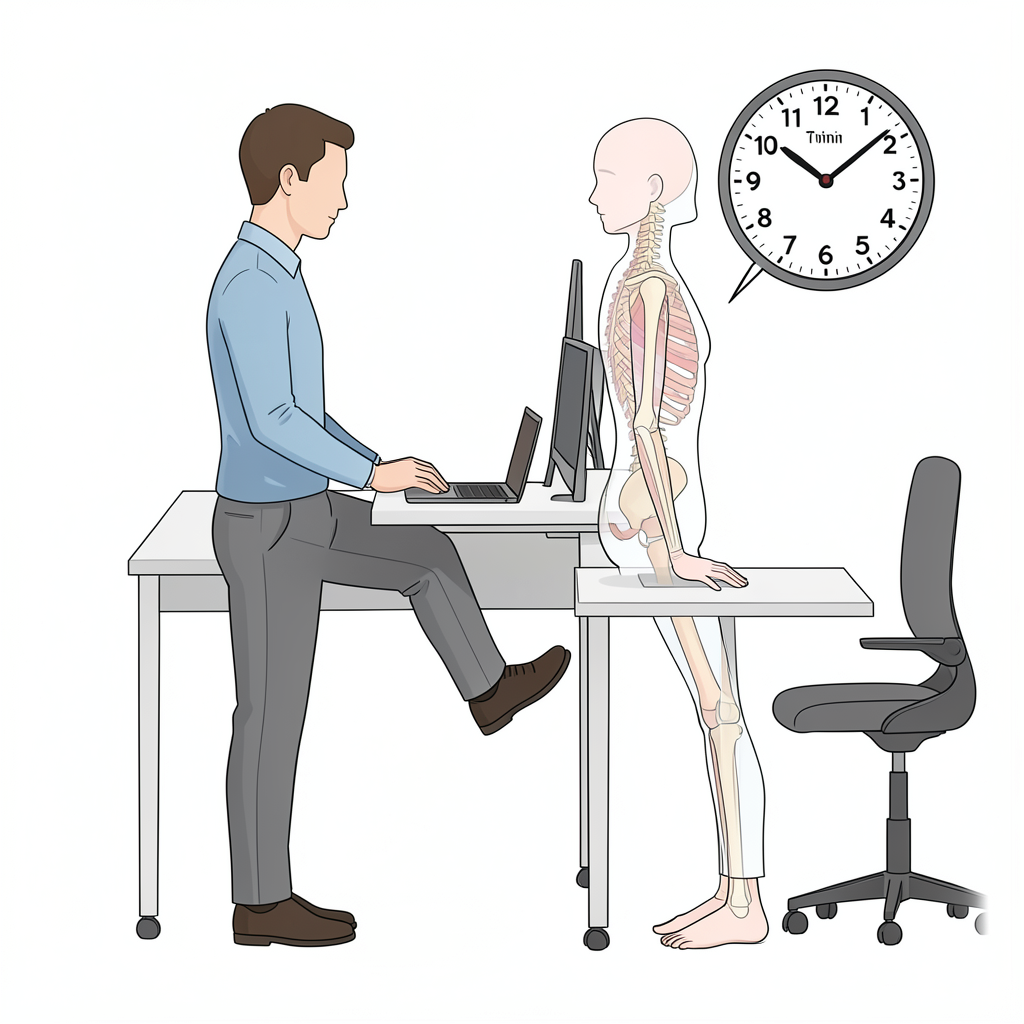
Standing Desk Protocol
Alternate between sitting and standing every 20-30 minutes. When standing, use one foot elevated on a small step to reduce spinal load.
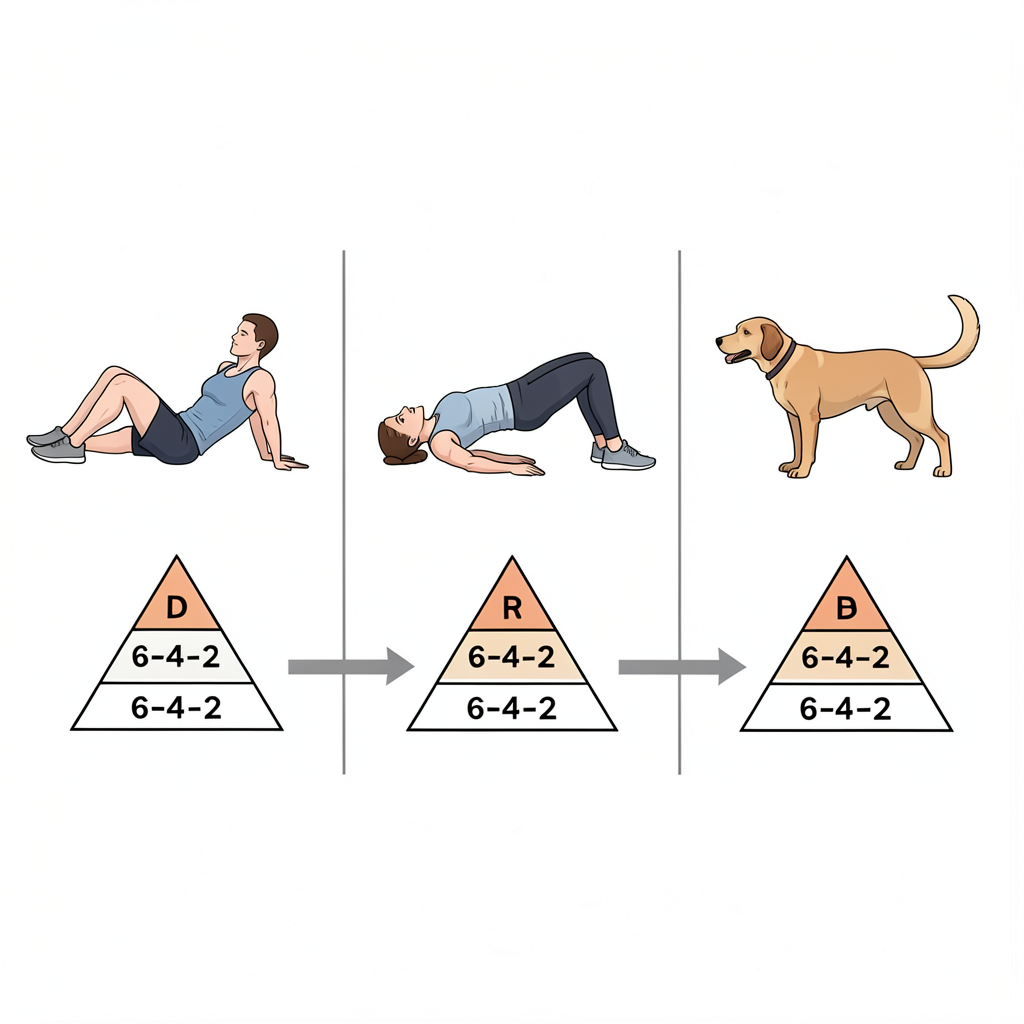
Big 3 CircuitTimed
The complete McGill Big 3 performed as a circuit: curl-up, side bridge (both sides), bird dog (both sides). Use the descending pyramid rep scheme.
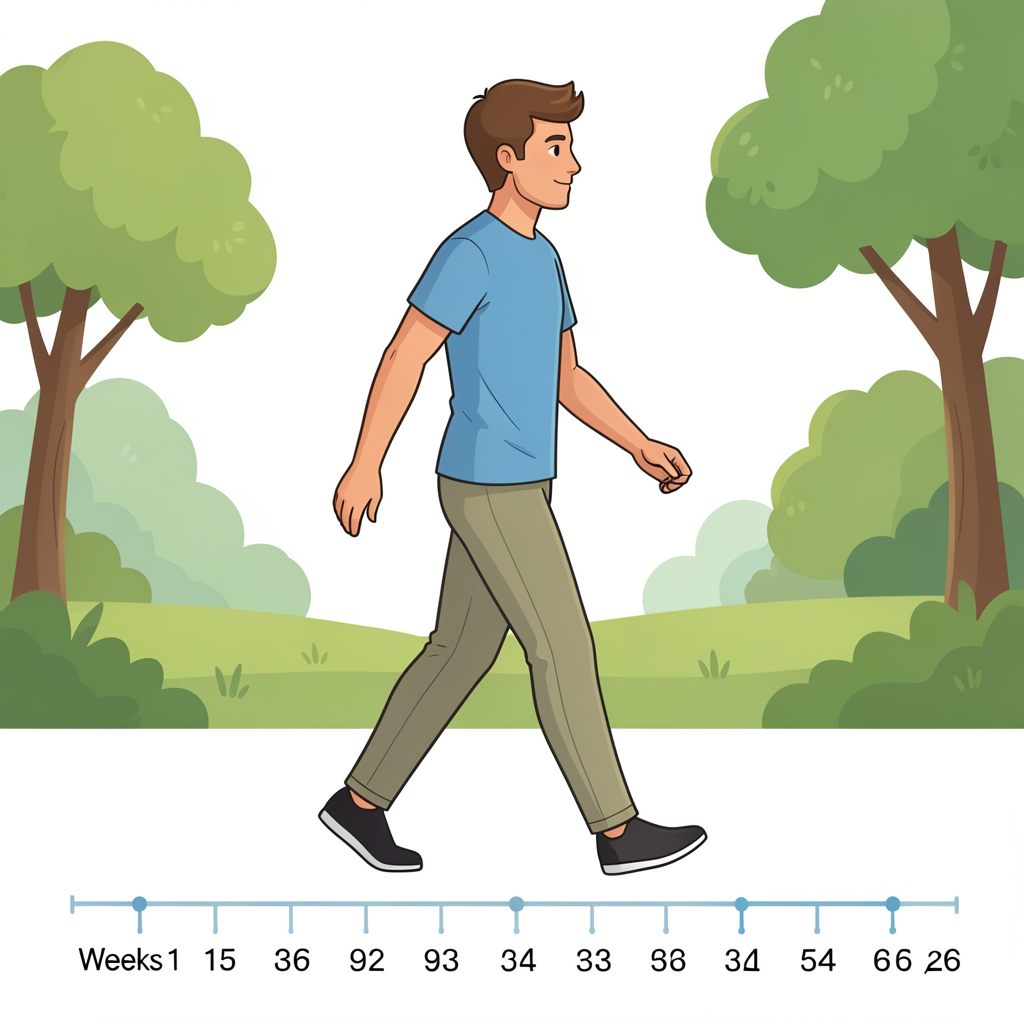
WalkingTimed
Sustained walking with upright posture and relaxed arm swing. Each rep is 1 minute. Adjust reps to match your target duration.
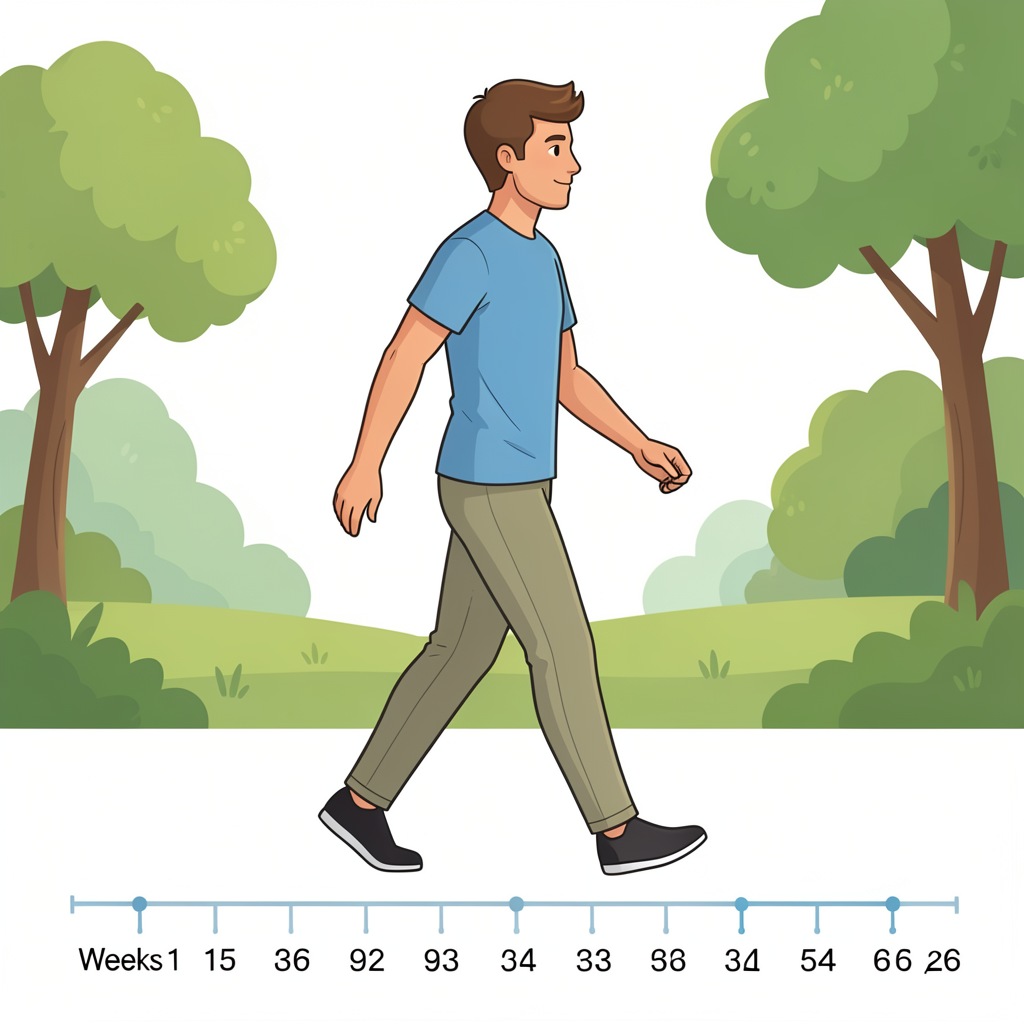
Progressive Walking
Start with pain-free walking duration (even 5 minutes) and add 5 minutes per week. Focus on upright posture and arm swing.
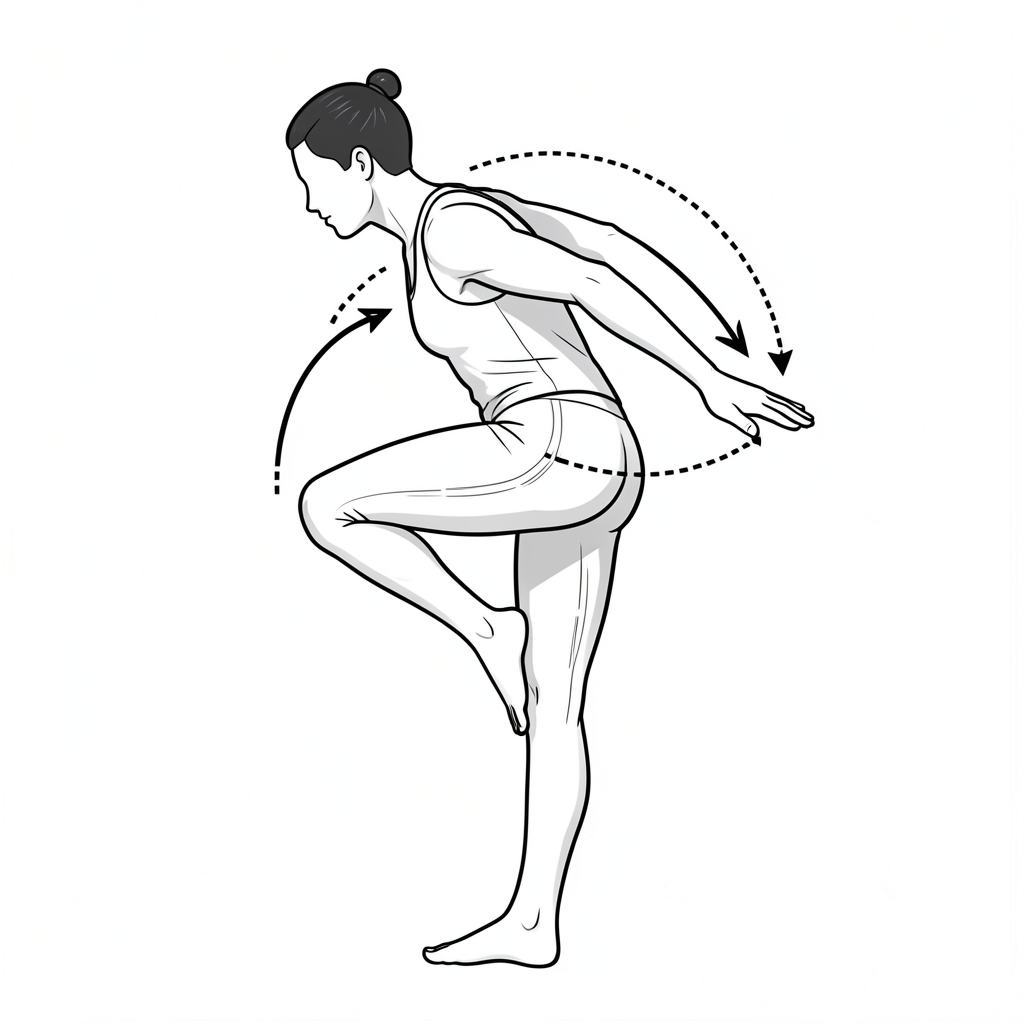
Hip AirplaneTimed
Single-leg balance with controlled hip internal and external rotation. Builds hip joint control that takes torsional load off the spine.
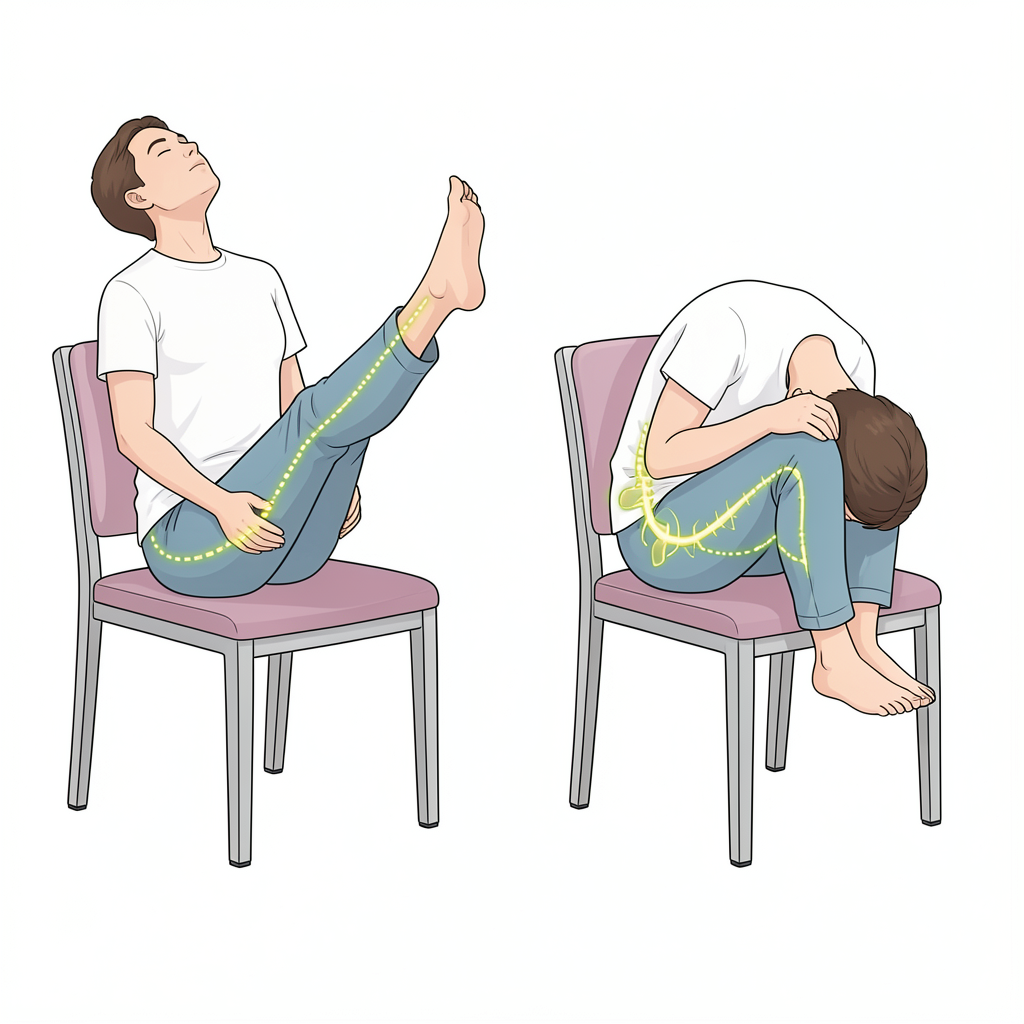
Sciatic Nerve Floss
Gentle neural mobilization: seated, extend one leg while looking up, then flex the neck while bending the knee. Never push into pain.
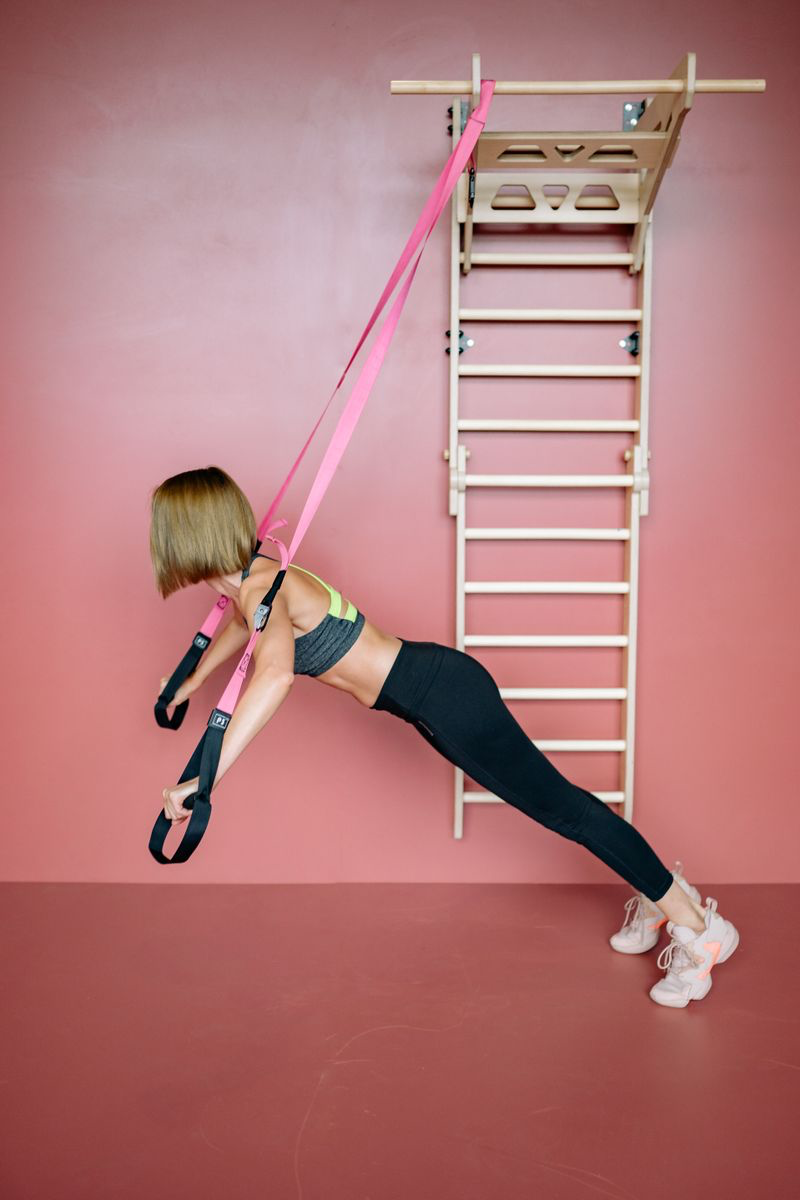
Suspension Row
Pull your chest to the handles while keeping your body in a straight plank. Trains the rhomboids and mid-trapezius — the muscles most responsible for counteracting forward head posture.
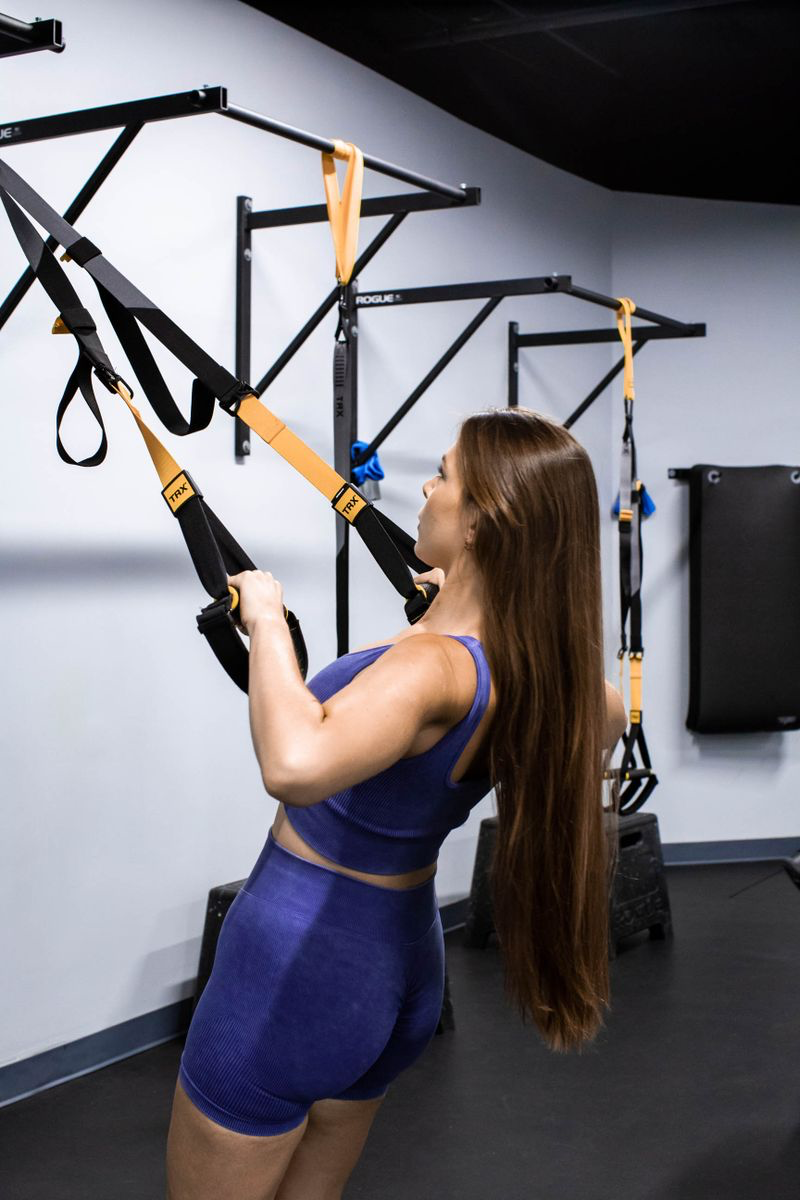
Suspension Face Pull
Pull the handles toward your face with elbows flared high. Strengthens the external rotators and rear deltoids that counteract rounded-shoulder posture.
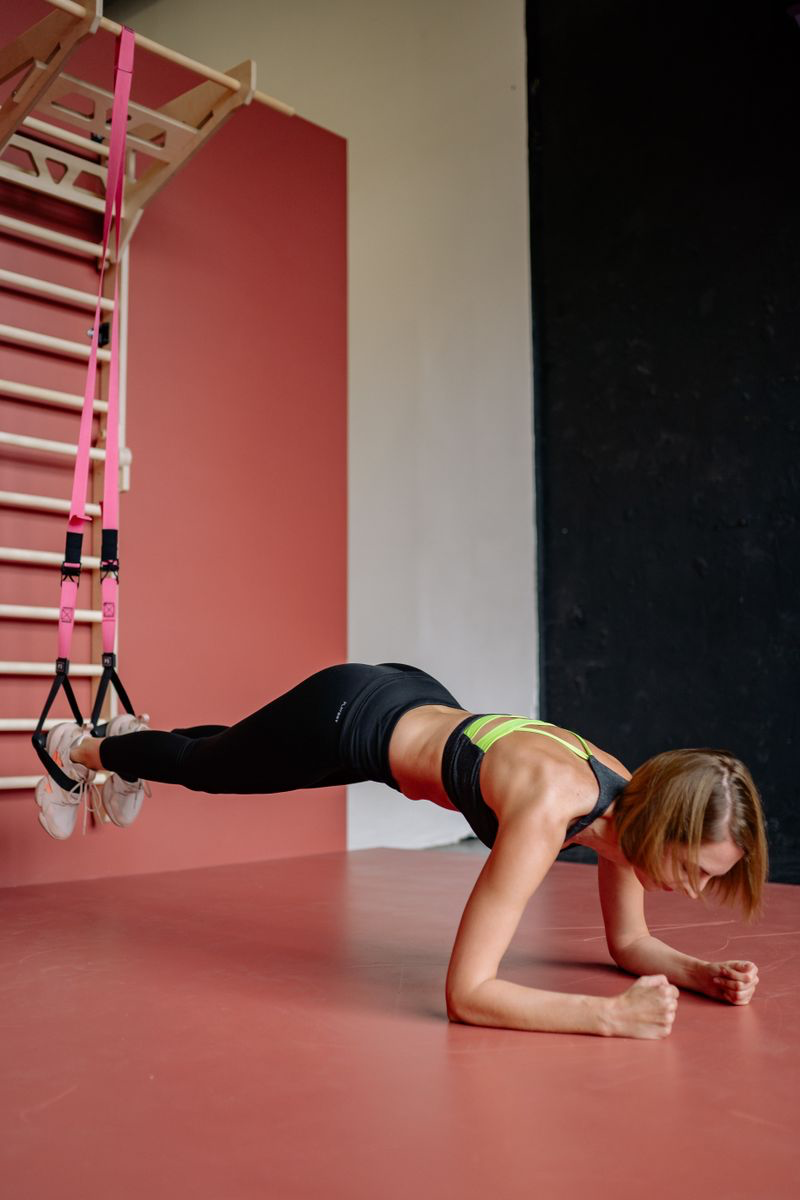
Suspension PlankTimed
Feet in the straps, hands on the floor in a push-up position. The unstable surface demands constant anti-rotation core work far beyond a floor plank.
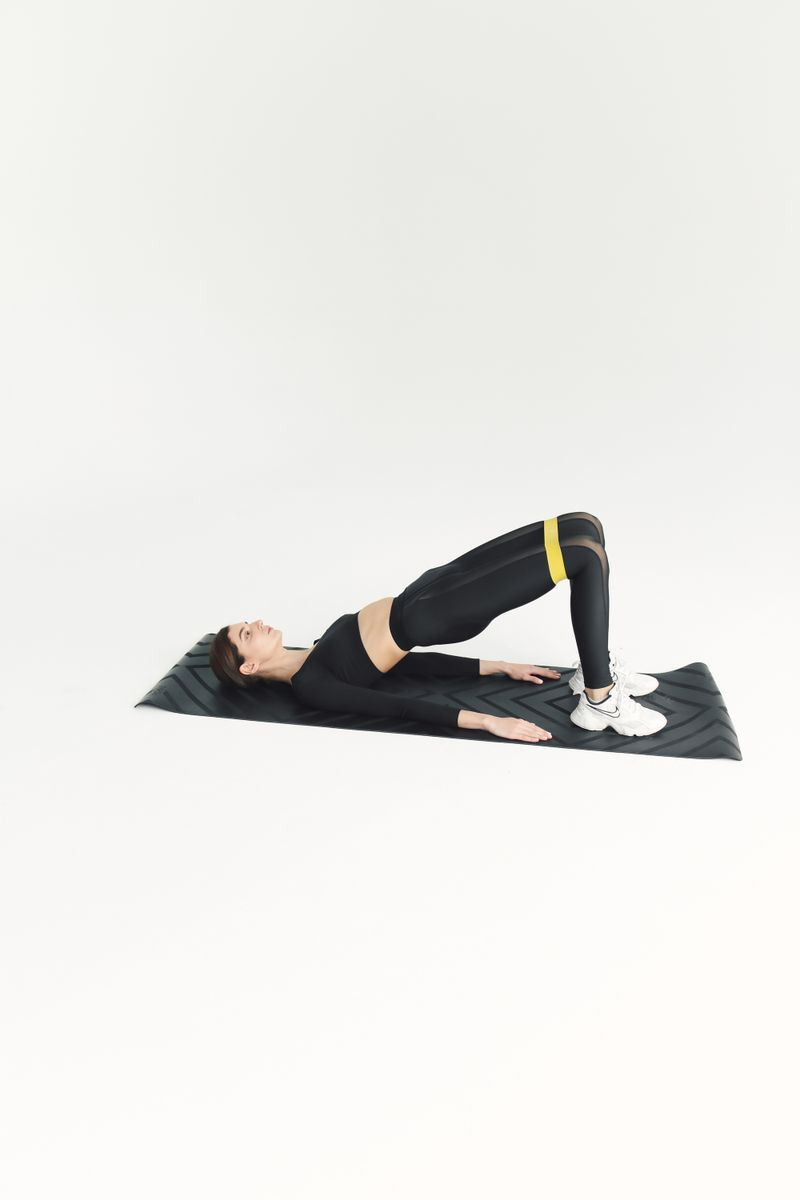
Suspension Hip PressTimed
Lie on your back with heels in the straps and bridge up, squeezing the glutes at the top. Trains glute activation and hamstring strength with the spine in a safe neutral position.
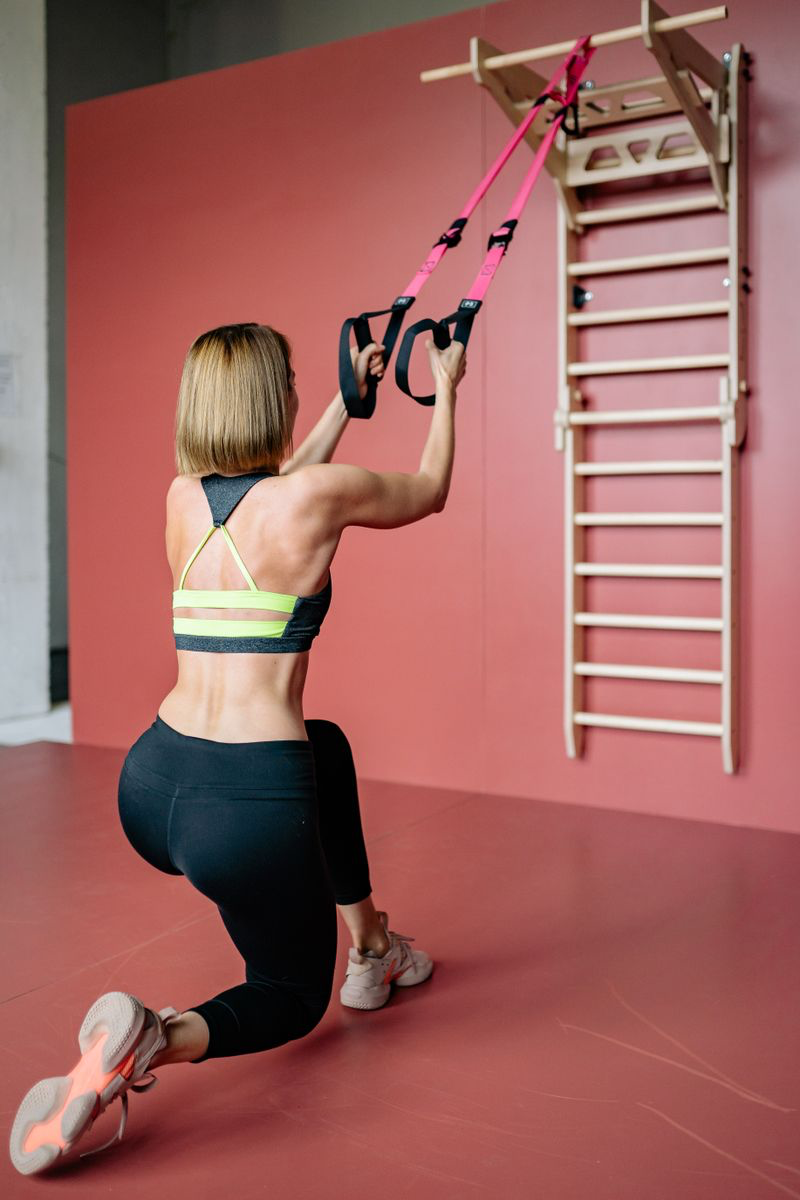
Suspension Split Squat
Rear foot in the strap, front foot planted. Lower straight down keeping your torso upright. Builds single-leg strength and hip flexor length while keeping the spine neutral throughout.
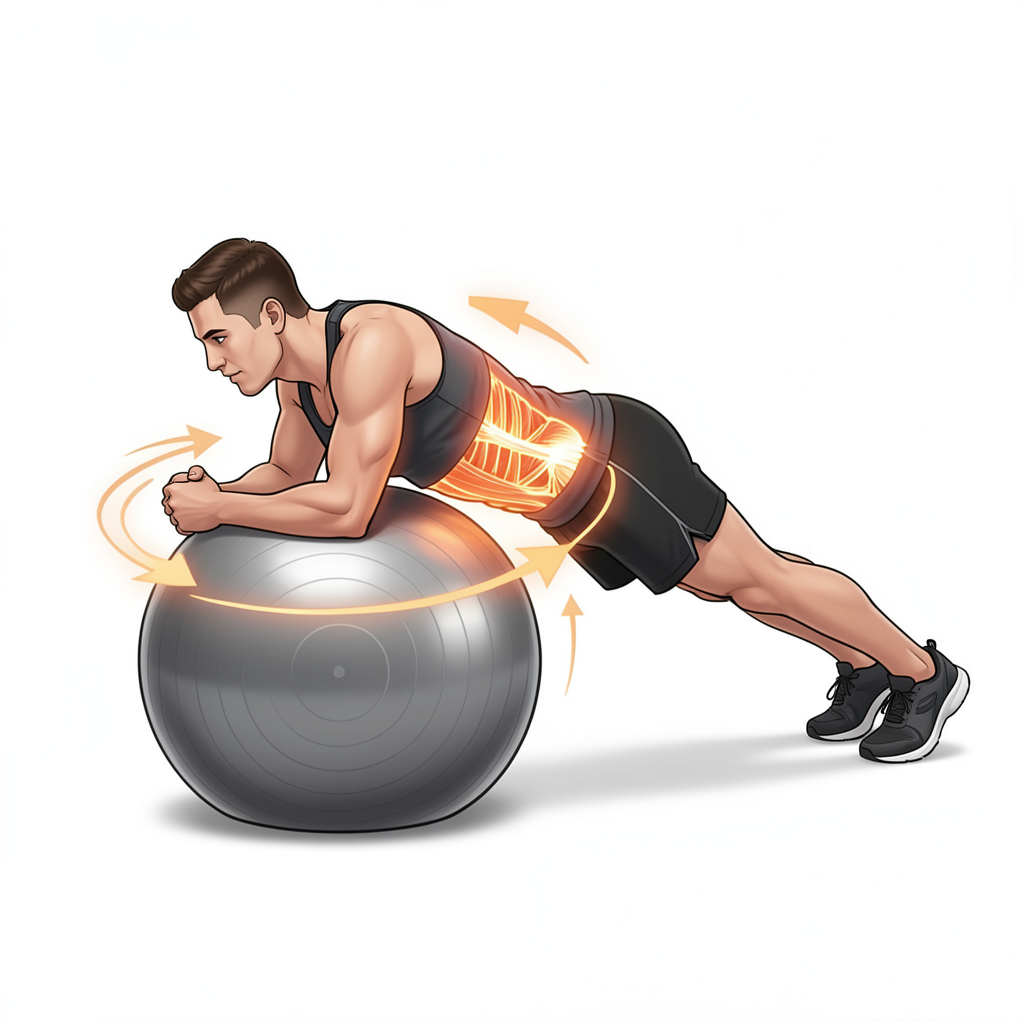
Stir the PotTimed
Advanced core challenge: forearms on a stability ball in plank position, make small circles while preventing any spine movement.
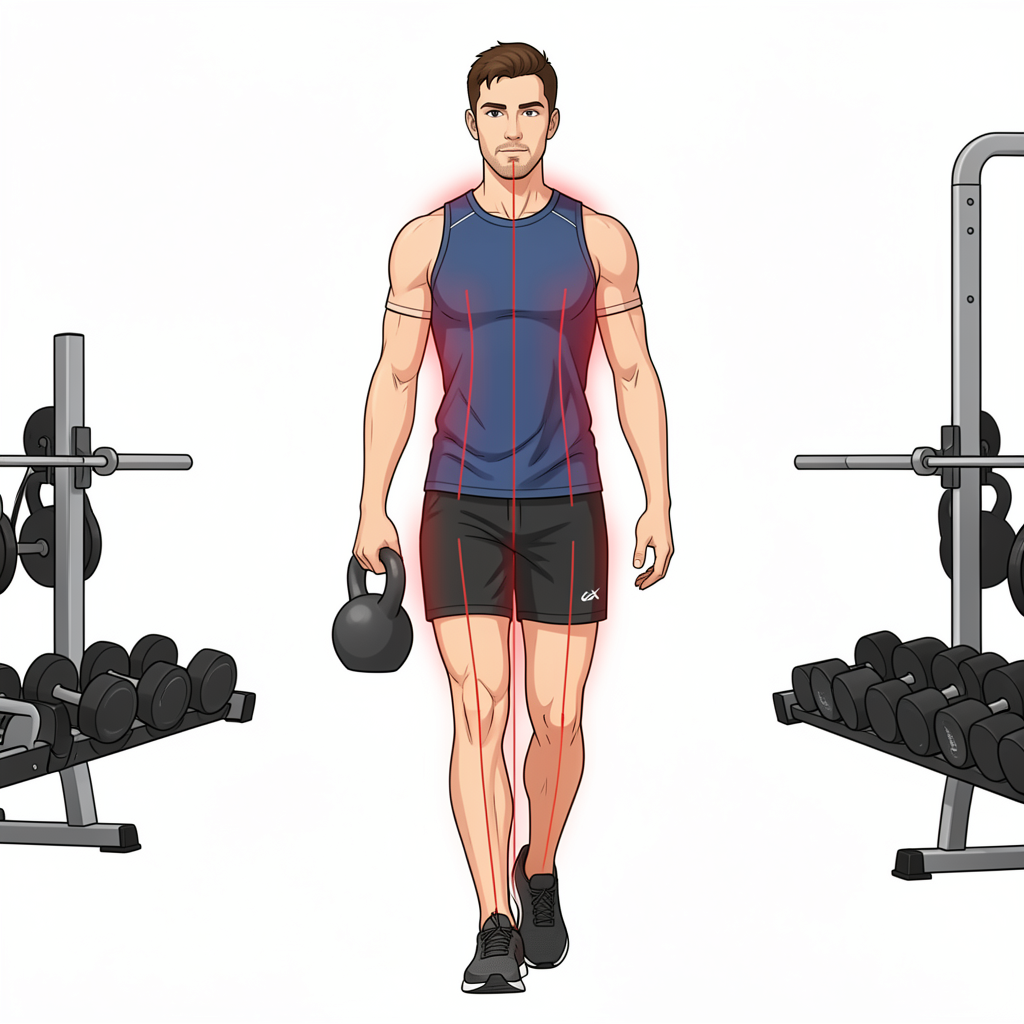
Suitcase Carry
Walk holding a weight in one hand without letting your torso lean. Builds lateral stability under real-world asymmetric loading.
Your Workout (0 exercises)
Add exercises below