The Code: Rules for Back Health
Ten guidelines that form the foundation of a resilient back and pain-free lifestyle.
The mechanic's rule: The back is not repaired by optimism or punishment. It responds to a better dose, repeated with patience.
The Guidelines
These aren't absolute rules but rather wise guidelines intended to be adaptable to you. The more you can follow, the more successful you will be.
Guideline 1: Dedicate Yourself to Daily Practice
Appropriate movement positively influences the health of every body system. Make a conscious effort to engage in healthy movement every day, and soon enough this will become habit.
Guideline 2: Maintain Balance
Optimal health requires a balance of appropriate sleep, good diet, and a matched activity program. Those who fail to recognize this balance will continue to rob Peter to pay Paul.
Guideline 3: Remove the Cause
There is a direct correlation between posture, position, and pain. Avoiding painful and weakened postures is paramount. Prepare the spine to bear load by maintaining neutral posture.
The corollary: If certain postures and movements induce pain, identify them and avoid them. What you don't do is just as important as what you do.
"Spine hygiene" means moving well throughout the day, avoiding painful movements, expanding your pain-free repertoire, and building capacity for corrective exercise.
Guideline 4: Beware of Repeat Visits
Short-term relief can be useful, but it should connect to a plan that improves function and self-management. A good clinician explains the working diagnosis, teaches skills you can use independently, and reassesses whether the plan is helping.
Guideline 5: Be Aware of Passive Treatments
- Passive treatment: Someone does something TO you (ultrasound, etc.)
- Active treatment: You participate in working toward a cure
Some hands-on treatments may provide short-term relief for selected people. They are most useful as part of a broader plan that includes education, appropriate activity, and exercise rather than as a stand-alone promise of a cure.
Therapeutic ultrasound is not recommended as routine care for chronic primary low back pain. Ask how any passive treatment will help you progress toward a functional goal and how its benefit will be reassessed.
Guideline 6: Not All Clinicians Are Competent
Just as there are good mechanics and bad mechanics, there are good clinicians and poor ones. You have full right to question why and how a particular treatment plan is best for you.
Guideline 7: Medication Needs a Plan
Medication may be appropriate for some people, but the choice depends on the condition, other health risks, and treatment goals. It should not be the entire plan. Discuss expected benefit, side effects, duration, and how medication supports safe activity or sleep with a qualified prescriber.
Guideline 8: Balance Strength, Endurance, and Stiffness
Strength without adequate endurance, control, or task-specific technique may not solve the original problem. Endurance helps preserve a useful movement pattern as fatigue develops. The goal is adaptable, repeatable form rather than one visually perfect posture.
Guideline 9: One Size Does NOT Fit All
The idea that a single magical exercise program exists for every instance is a myth. The process must be:
- Make the right functional diagnosis
- Remove the cause
- Choose the appropriate rehabilitative strategy
- Enhance and broaden pain-free activities
Guideline 10: Continued Re-Assessment
As recovery progresses, the program must evolve. If your training session leads to pain, you've done too much, too soon. The first stage reduces pain. Subsequent stages increase pain-free activity.
The Critical Mindset
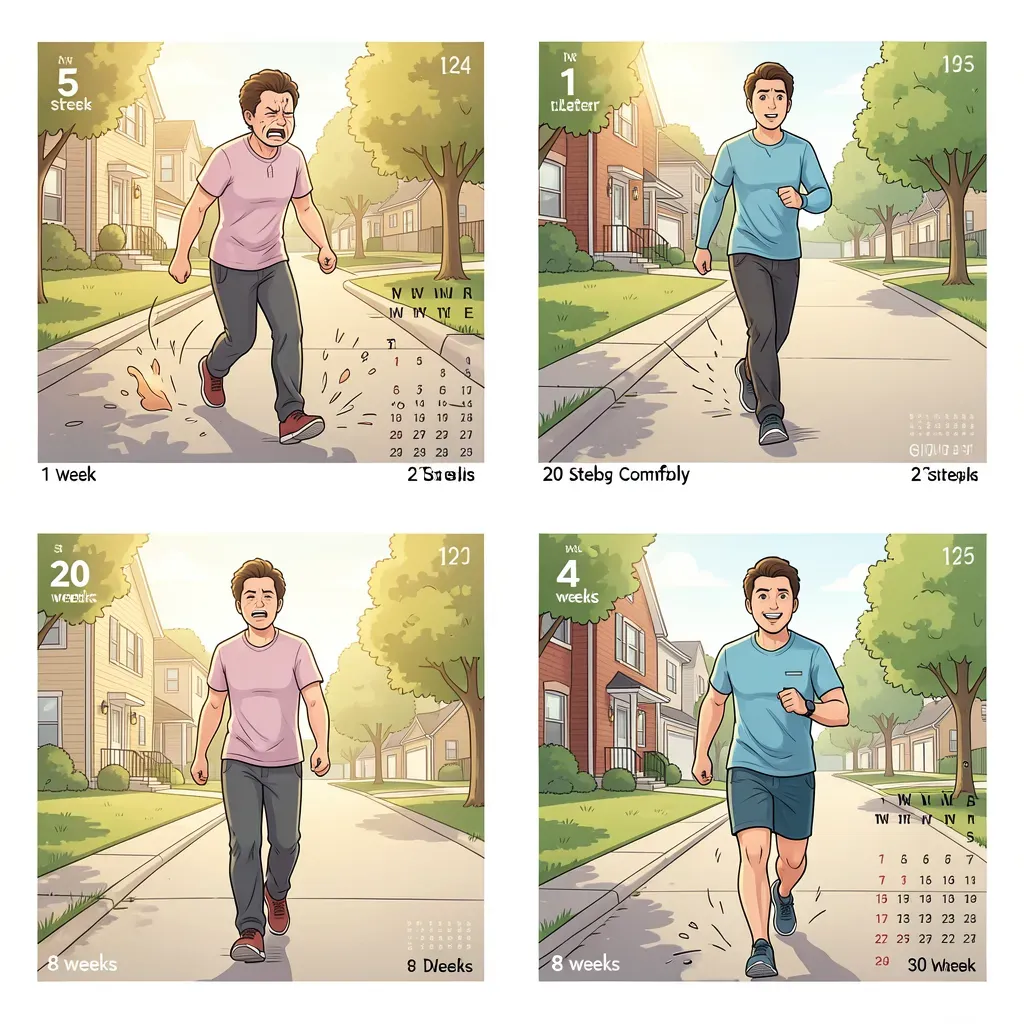
Consider this case: a patient can only walk five steps pain-free. Six steps causes pain. The commonsense approach:
- Every hour, get up and walk five pain-free steps
- Slowly build to six steps, then seven, then eight
- Once walking twenty steps, begin walks up and down the driveway
- When the driveway is easy, walk around the block
The progression is guided by taking stock and reviewing progress through each stage. Patience is part of the strategy. Symptoms and function often improve when aggravating exposure is reduced and capacity is rebuilt, but the rate and degree of recovery vary by condition and person.
The Mechanic's Brief
- Identify and reduce repeatable pain triggers before adding more exercise or load.
- Use passive treatment, if helpful, as a short-term aid while building active self-management skills.
- Match exercise choice and dose to the person; reassess when function or symptoms change.
- Build capacity patiently through repeatable, pain-limited progress rather than testing the back on a good day.
Evidence Behind the Advice
The emphasis on education, exercise, person-centred care, and combining rather than isolating interventions is consistent with the WHO guideline for non-surgical management of chronic primary low back pain.