Myth Busting
Separating fact from fiction — the most common back pain myths that are keeping you in pain.
The Longer You Wait, The Worse It Gets
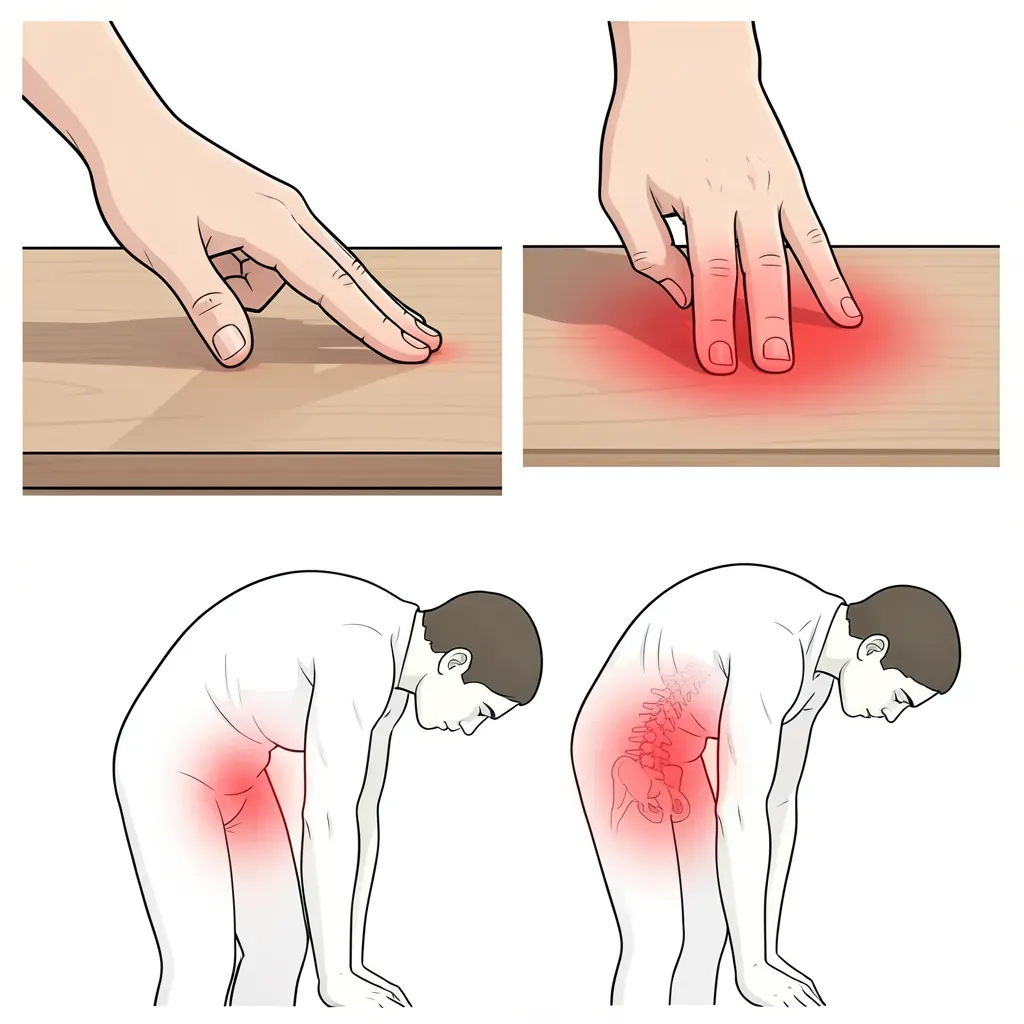
One of the most persistent myths is that you'll eventually get used to your back pain — that it will desensitize over time. The truth is the opposite. The longer you go without addressing the pain, the more sensitive you become to it.
Consider this analogy: if you hit your thumb repeatedly with a hammer, you sensitize the tissue. Eventually, even brushing your hand against your pants causes you to wince. Exercise won't fix this. Removing the hammer will.
The first step to recovery is removing those "pain-hammers" — the movements and postures that are re-injuring your tissue every day.
If you ever have a pain-free movement, you have the capability to expand your repertoire of pain-free movements into pain-free living. You are curable.
Common Roadblocks and Detours
"My pain worsened after trying physical therapy." It's time to find an approach that directly addresses the cause of your pain rather than treating symptoms.
"Every time I work out, I pay for it for the next three days." By examining the components of your training session, your pain triggers, and your activities throughout the other 23 hours of the day, a correlation can be found. We can then "tune" the aggravating activities.
"I've been told the pain is in my head." Pain almost always has a physical cause. Even if your doctor claims not to be able to determine the cause — be assured there is one, and it can be addressed.
"I was advised to record my pain on a scale of 1 to 10." Direct your attention instead to discovering and enjoying pain-free activity.
The Big Myths Debunked
Myth: If therapy failed, surgery is my only option
Most surgeons come from the perspective that everything can be cured with a scalpel. Rarely is the tissue being targeted the only cause of pain. Healthy tissues are often severed when cutting down to reach the spine. Any metal hardware added can cause local bone to weaken. In many cases, patients return within a couple of years with similar damage either above or below the previous surgery site.
Myth: Backs can be rehabilitated in 6-12 weeks
The studies cited by insurance companies were conducted on muscle damage in rodents. Human back injury can take much longer — but this doesn't mean years of pain. It means you'll need to manage how you load your back over a longer period to remain pain-free.
Myth: A herniated disc ends an athletic career
With the right recovery program, disc issues can be dealt with. Hundreds of elite athletes have returned to professional sports and the Olympics after disc injuries.
Myth: My daily gym workouts will cure my back pain
Someone hitting the gym every day without spine-sparing techniques develops cumulative disc trauma. Repeatedly bending the back at the gym, followed by long sitting, followed by poorly executed daily tasks — these conspire to delaminate disc fibers. The secret isn't to stop working out. It's to change your default movement patterns.

Myth: Yoga and Pilates are great for back pain
While some poses may be beneficial, there are components of both systems that will aggravate back conditions. There is no exercise program that is universally beneficial to all back pain sufferers. Every exercise should be justified and modified for each person.
One major issue with Pilates: its key principle of flattening the spine and "imprinting" the lower back to the floor disrupts the spine from its neutral position. The "Rollup" is essentially a sit-up that puts emphasis on moving through the spine — our science has justified avoiding this.
Myth: Stretching is good for back pain
Pulling your knees to your chest triggers the "stretch reflex" — a neurological phenomenon that provides about 15-20 minutes of pain relief. But in putting your spine in this position, you're aggravating your discs. After temporary relief, the pain returns, often worse. This begins a vicious cycle where the patient thinks stretching is the solution, not realizing it's contributing to the pain.
Instead of focusing on stretches that bend the spine, focus on stabilizing and controlling the spine. Modify daily movements to keep your spine in a "neutral" position. Your discs will experience less strain, your pain will subside, and your mobility will return.
Myth: Stronger muscles will cure my back pain
Back injuries result from putting a spine under load and then breaking healthy movement form. Maintaining proper movement patterns requires endurance, not strength. We must always place endurance as a higher priority when rehabilitating a spine condition. Only once endurance for sustaining healthy patterns is developed should more aggressive strength training begin.
In Review
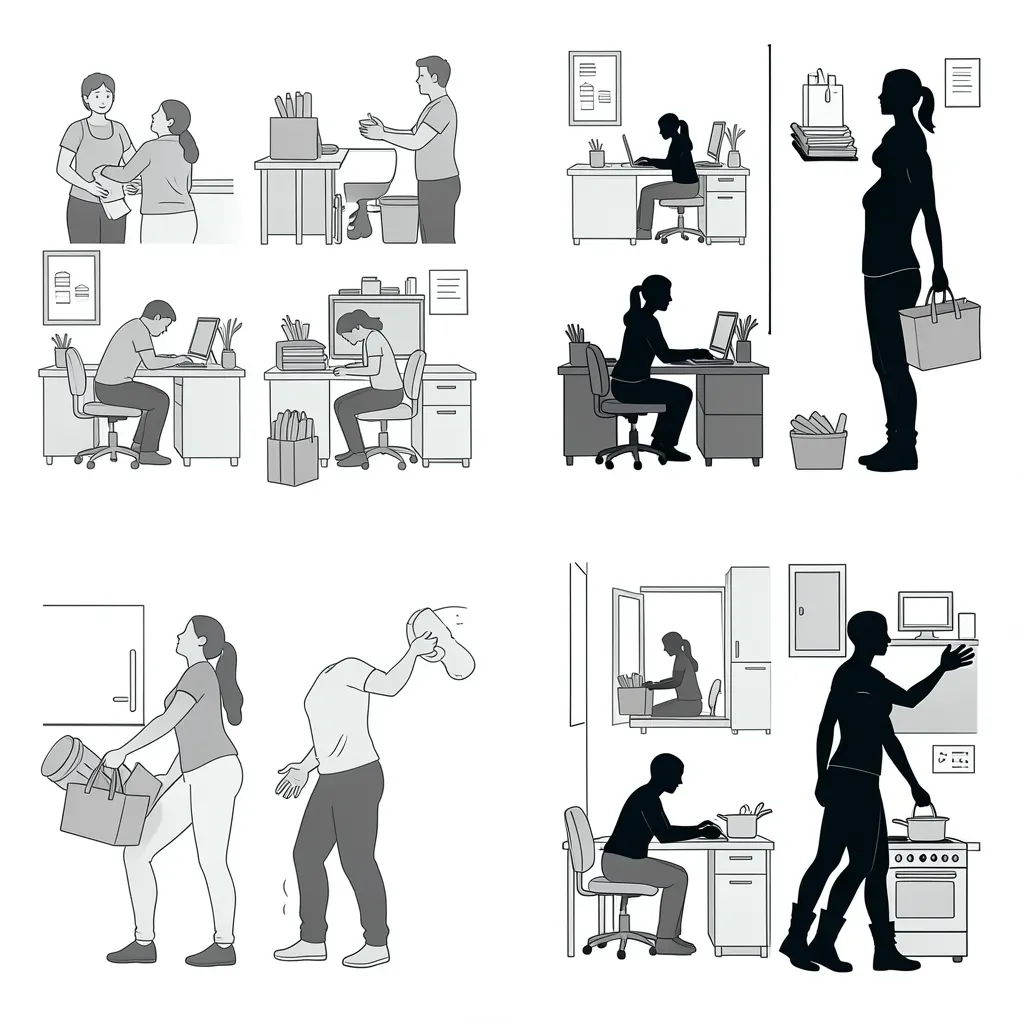
- If your doctor's primary approach is pain medication, you need different expertise
- If all you've been given is a list of exercises from your physiotherapist, you need a new approach
- If all you get is "manipulation" from your chiropractor and you need repeat visits, you need a new approach
- If you ever have a pain-free movement, you have the capability to become pain-free. You are curable