The Code: Rules for Back Health
Ten guidelines that form the foundation of a resilient back and pain-free lifestyle.
The Guidelines
These aren't absolute rules but rather wise guidelines intended to be adaptable to you. The more you can follow, the more successful you will be.
Guideline 1: Dedicate Yourself to Daily Practice
Appropriate movement positively influences the health of every body system. Make a conscious effort to engage in healthy movement every day, and soon enough this will become habit.
Guideline 2: Maintain Balance
Optimal health requires a balance of appropriate sleep, good diet, and a matched activity program. Those who fail to recognize this balance will continue to rob Peter to pay Paul.
Guideline 3: Remove the Cause
There is a direct correlation between posture, position, and pain. Avoiding painful and weakened postures is paramount. Prepare the spine to bear load by maintaining neutral posture.
The corollary: If certain postures and movements induce pain, identify them and avoid them. What you don't do is just as important as what you do.
"Spine hygiene" means moving well throughout the day, avoiding painful movements, expanding your pain-free repertoire, and building capacity for corrective exercise.
Guideline 4: Beware of Repeat Visits
If a clinician's expertise lies in relieving pain without curing the cause, you end up seeing them repeatedly. The best clinicians see you fewer times — they teach you to take responsibility for your healing.
Guideline 5: Be Aware of Passive Treatments
- Passive treatment: Someone does something TO you (ultrasound, etc.)
- Active treatment: You participate in working toward a cure
Passive treatment rarely increases the likelihood of a long-term cure. Active treatment — learning to move in ways that avoid pain triggers — is what creates lasting change.
Ultrasound has never been shown to cure back disorders better than placebo. Reserve your right to walk away if the clinician focuses all efforts on relief and none on cure.
Guideline 6: Not All Clinicians Are Competent
Just as there are good mechanics and bad mechanics, there are good clinicians and poor ones. You have full right to question why and how a particular treatment plan is best for you.
Guideline 7: Pills Without a Plan Means You Didn't See an Expert
Many family doctors admit they don't know what to do with back pain patients. Patients who have pharmaceutically numbed their pain often make matters worse — they continue using flawed movement patterns without feeling the consequences.
Guideline 8: Balance Strength, Endurance, and Stiffness
If you add too much strength, you can "overpower" your back. The counterbalance is endurance and control. Endurance enables you to maintain perfect movement patterns as you get fatigued. Injury occurs when perfect form is lost.
Guideline 9: One Size Does NOT Fit All
The idea that a single magical exercise program exists for every instance is a myth. The process must be:
- Make the right functional diagnosis
- Remove the cause
- Choose the appropriate rehabilitative strategy
- Enhance and broaden pain-free activities
Guideline 10: Continued Re-Assessment
As recovery progresses, the program must evolve. If your training session leads to pain, you've done too much, too soon. The first stage reduces pain. Subsequent stages increase pain-free activity.
The Critical Mindset
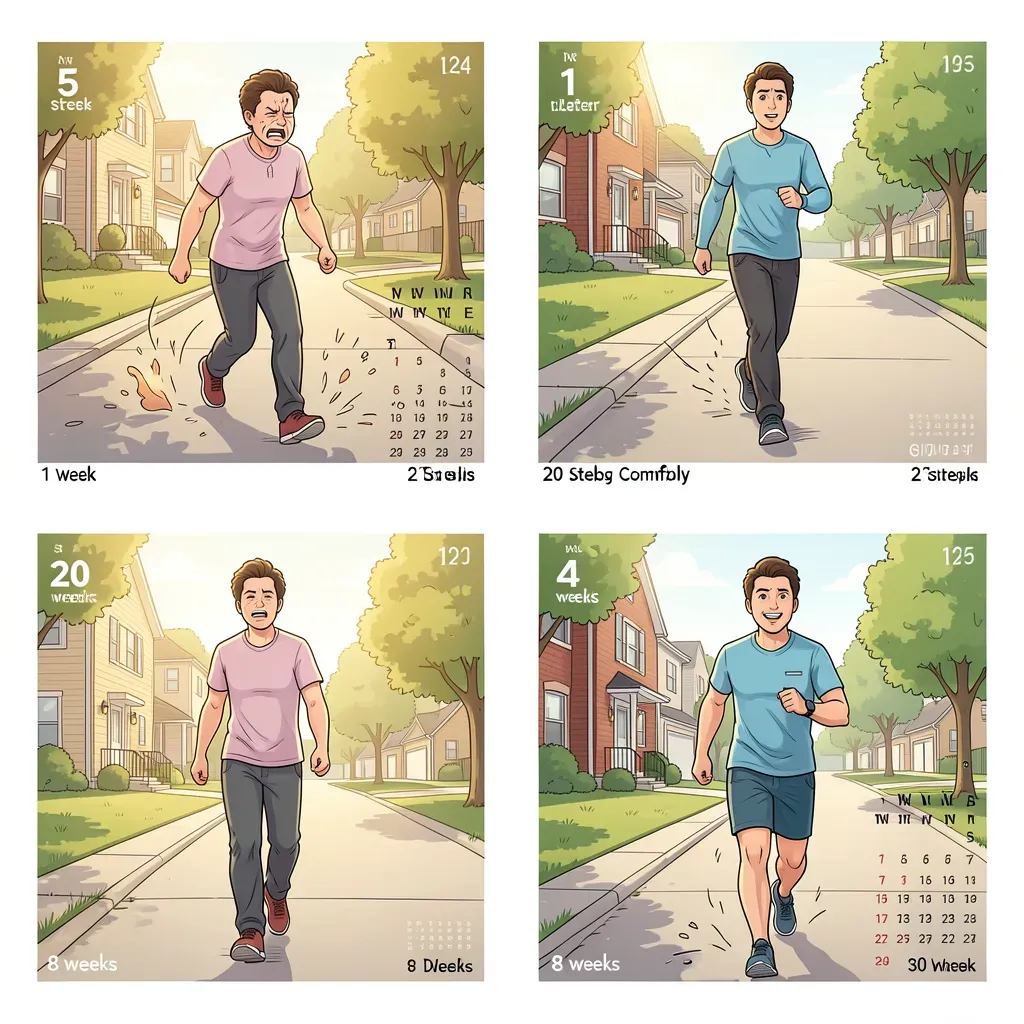
Consider this case: a patient can only walk five steps pain-free. Six steps causes pain. The commonsense approach:
- Every hour, get up and walk five pain-free steps
- Slowly build to six steps, then seven, then eight
- Once walking twenty steps, begin walks up and down the driveway
- When the driveway is easy, walk around the block
The progression is guided by taking stock and reviewing progress through each stage. Patience is the strategy. The tissues need time to heal — but they WILL heal when given the right conditions.