Alcohol & Spine Health
A detailed look at how alcohol affects disc health, inflammation, bone density, sleep, and pain medication interactions.
The Honest Assessment
Alcohol is deeply embedded in social life for many people, and the temptation is to present a balanced "everything in moderation" view that avoids discomfort. This chapter will instead present what the evidence actually shows. For back pain recovery specifically — a context involving active tissue repair, pain management, sleep dependency, and frequent medication use — the case for moderation is stronger than for most health contexts. Understanding why changes how you make the tradeoff.
Direct Disc Effects
Intervertebral disc cells (chondrocyte-like nucleus pulposus cells) are sensitive to toxic metabolites. In vitro studies have shown that ethanol and its primary metabolite acetaldehyde reduce disc cell viability, impair proteoglycan synthesis (the key to disc water retention and height), and promote disc cell apoptosis (programmed cell death) in a dose-dependent manner.
Clinically, population studies have found associations between heavy and chronic alcohol consumption and accelerated disc degeneration on imaging. The confounding factors in these studies are significant (heavy drinkers differ from non-drinkers in many health behaviors), but the in vitro mechanism is plausible and well-characterized.
Inflammation Resolution Impairment
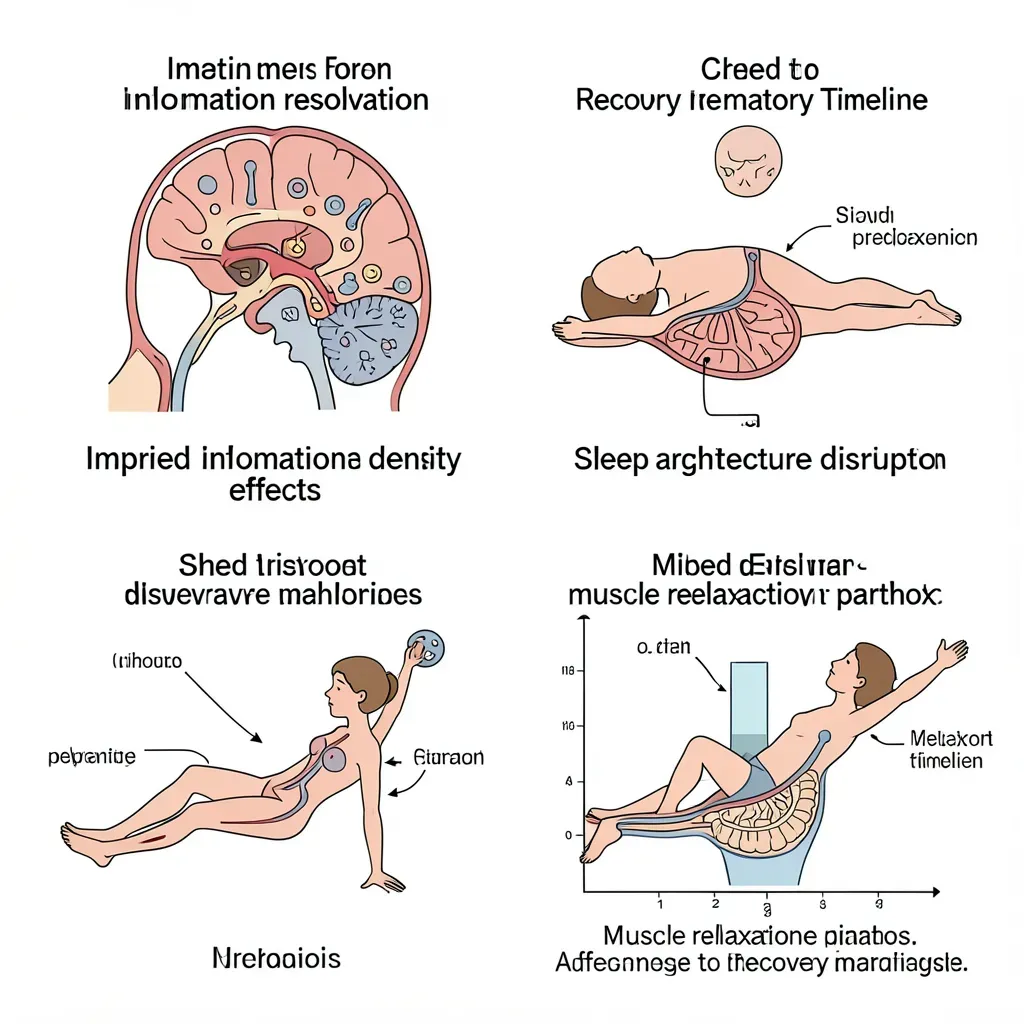
The recovery phase of inflammation — resolution — is as biologically important as the initiation phase. Active resolution is not simply inflammation "wearing off." It requires specialized pro-resolving mediators (SPMs) — resolvins, protectins, and maresins — that are synthesized from omega-3 fatty acids and actively clear inflammatory cells and debris from damaged tissue.
Alcohol impairs the production of lipoxins and resolvins. This means that even though alcohol may temporarily reduce the acute experience of pain by depressing the central nervous system, it simultaneously impairs the biological resolution of the underlying tissue inflammation. Chronic alcohol use creates a situation where inflammation initiates but fails to properly resolve — contributing to the transition from acute to chronic pain that is particularly problematic in spine conditions.
Bone Density Effects
Chronic heavy alcohol consumption is a significant and underappreciated risk factor for osteoporosis. The mechanisms are multiple:
Alcohol directly inhibits osteoblast differentiation and activity — reducing bone formation. It simultaneously increases osteoclast activity (bone resorption). The net effect on bone turnover is unfavorable to bone mineral density.
Alcohol reduces calcium absorption from the gut and increases urinary calcium excretion. This creates a net calcium drain that depletes the mineral available for bone maintenance.
Ethanol increases parathyroid hormone (PTH) secretion, which further stimulates osteoclast activity and bone resorption.
For back pain patients specifically, reduced vertebral bone density increases the risk of vertebral compression fractures — which are both painful and can significantly alter spinal biomechanics, creating new structural problems.
The Sleep Architecture Destruction Mechanism
This may be the most immediately practical point in this chapter for back pain recovery. Alcohol is commonly used as a sleep aid — it does accelerate sleep onset. However, what it does to sleep architecture in the second half of the night is highly damaging:
Alcohol suppresses REM sleep globally and increases arousals in the second half of the sleep cycle as blood alcohol levels fall. Early-morning awakening is a classic consequence of evening alcohol use. More critically, alcohol disrupts slow-wave (deep) sleep — the sleep stage associated with growth hormone release and physical tissue repair.
Given that slow-wave sleep is the primary biological repair phase and that sleep quality is among the strongest modulators of pain threshold, even moderate evening alcohol use creates a measurable impairment in overnight recovery. For someone actively rehabbing a spine injury, this is a consistent step backward.
The Muscle Relaxation Paradox
Alcohol at low to moderate doses reduces muscle tone, including the paraspinal muscle guarding that back pain patients often develop as a protective response. This is one reason alcohol temporarily relieves back pain — the muscle tension component of the pain is reduced.
The paradox: muscle guarding, while uncomfortable, serves a protective function in acute injury. It limits range of motion that would load damaged tissue in harmful ways. Alcohol-induced muscle relaxation removes this protective mechanism, potentially allowing postures or movements (especially during sleep) that expose damaged discs, ligaments, or joints to loads they cannot safely tolerate.
Pain Medication Interactions
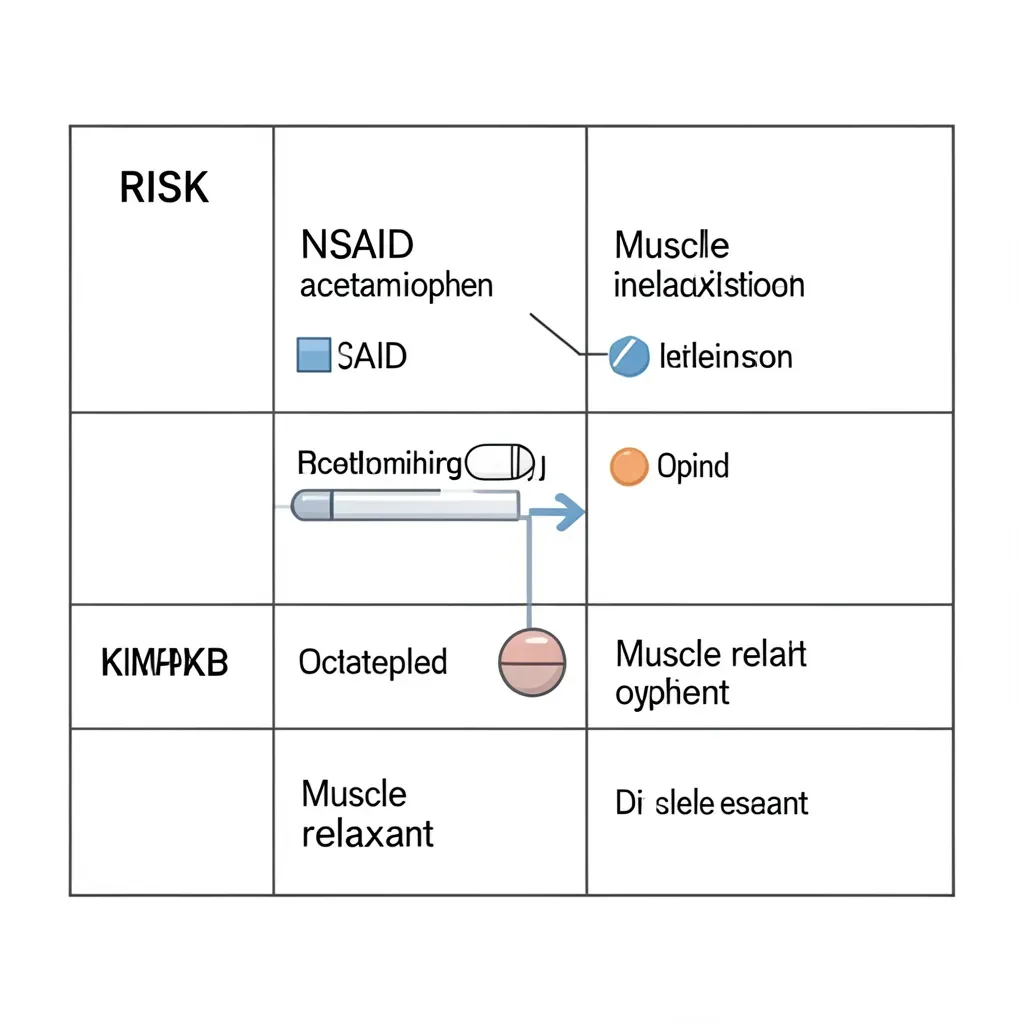
This section covers the four most common medication interactions relevant to back pain patients:
Alcohol and NSAIDs (ibuprofen, naproxen, diclofenac): Both are independently gastrotoxic through COX inhibition of gut mucosal protection. Combined use significantly increases the risk of gastric ulcer and upper gastrointestinal bleeding. This is not a theoretical risk — emergency room data shows this combination is a consistent contributor to acute GI bleeds.
Alcohol and acetaminophen (paracetamol): Acetaminophen is metabolized in the liver via CYP2E1, producing a toxic intermediate (NAPQI) that is normally detoxified by glutathione. Alcohol induces CYP2E1, producing more NAPQI, while also depleting hepatic glutathione. The result is hepatotoxicity at acetaminophen doses that would be safe in non-drinkers. Standard labeling warns against combining alcohol with acetaminophen — in regular drinkers, the threshold for liver toxicity is meaningfully lower than the standard maximum dose.
Alcohol and opioids: Both are CNS depressants. Combined use produces additive respiratory depression — the mechanism of most opioid overdose deaths. This combination is an absolute contraindication, not a precaution.
Alcohol and muscle relaxants (cyclobenzaprine, baclofen): Also CNS depressants. Combination dramatically amplifies sedation and impairs motor function — relevant for anyone taking prescribed muscle relaxants for back pain.
The Threshold Question: What Does the Evidence Actually Say?
For most health outcomes, the relationship with alcohol is dose-dependent — heavier consumption produces clearer harm. The disc and bone density evidence is most clear at heavy drinking levels (more than 14 drinks per week). The sleep architecture effects are measurable at lower doses — even 1-2 drinks in the evening.
For back pain recovery specifically, the practical guidance is: abstinence during the active rehabilitation phase (the first 3-6 months) is the option with the clearest biological support, because the sleep disruption and impaired inflammation resolution effects are present even at low to moderate doses. After structural recovery, occasional consumption without exceeding moderate drinking levels (1-2 drinks per occasion, not daily) represents a much more defensible risk profile.
In Review
- Alcohol directly reduces disc cell viability and impairs proteoglycan synthesis — the in vitro mechanism for disc degeneration acceleration
- Alcohol inhibits resolution of inflammation (lipoxin and resolvin production) — meaning the short-term pain relief comes at the cost of slower tissue healing
- Chronic heavy alcohol use inhibits osteoblasts and increases bone resorption, significantly raising vertebral compression fracture risk
- Evening alcohol reduces slow-wave sleep quality by 20-25%, directly impairing the overnight tissue repair process that recovery depends on
- Alcohol with NSAIDs: significantly increased GI bleed risk. With acetaminophen: liver toxicity risk. With opioids: respiratory depression risk
- Complete abstinence during active rehabilitation has the strongest biological support; if that is not the goal, the lowest-harm pattern is occasional rather than daily use, earlier in the evening, with food